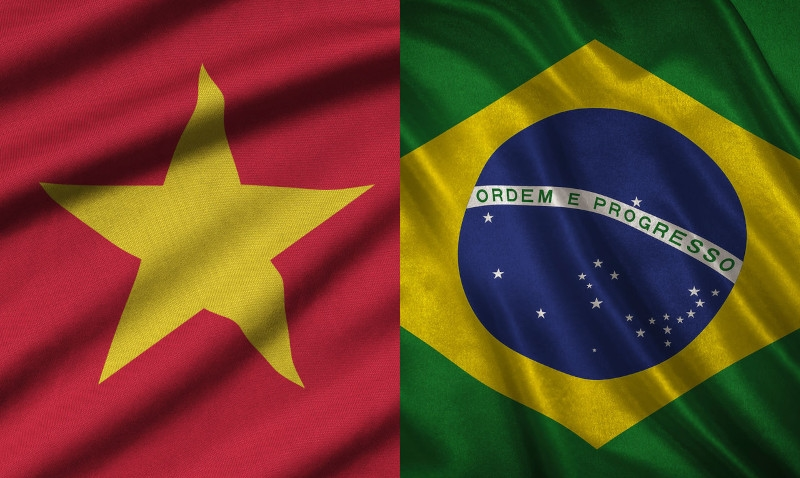
In the first half of 2024, the governments of Brazil and the Socialist Republic of Vietnam intensified negotiations for the implementation of trade facilitation protocols aimed at streamlining the entry of Brazilian products into Southeast Asia. This initiative comes at a time of consolidating diplomatic relations, seeking to surpass the historic US$7.11 billion in trade recorded in 2023, according to data from Vietnam’s Ministry of Industry and Trade (MoIT). Under the coordination of the Brazil-Vietnam Chamber of Commerce and Industry (BVC), the private sector projects a significant reduction in logistics and customs compliance costs for national exporters.
The progress in talks for a Bilateral Trade Facilitation Agreement responds to a growing demand for legal and technical predictability at borders. According to the official VietnamPlus portal, trade flow between the two nations has grown exponentially over the past decade, leaping from US$1.5 billion in 2011 to its current level, positioning Brazil as Vietnam’s primary trading partner in Latin America. The new facilitation framework focuses on the digitalization of customs processes and the harmonization of sanitary and phytosanitary standards, bottlenecks that historically increase the “Custo Brasil” (Brazil Cost) in the Asian market.
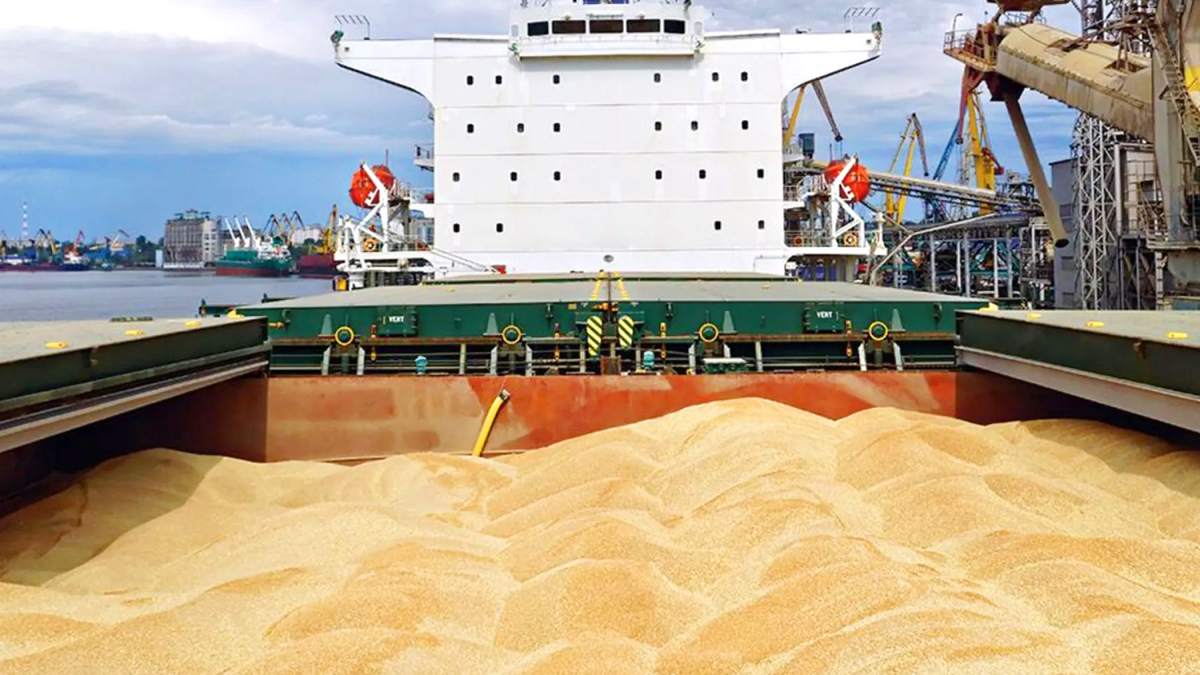
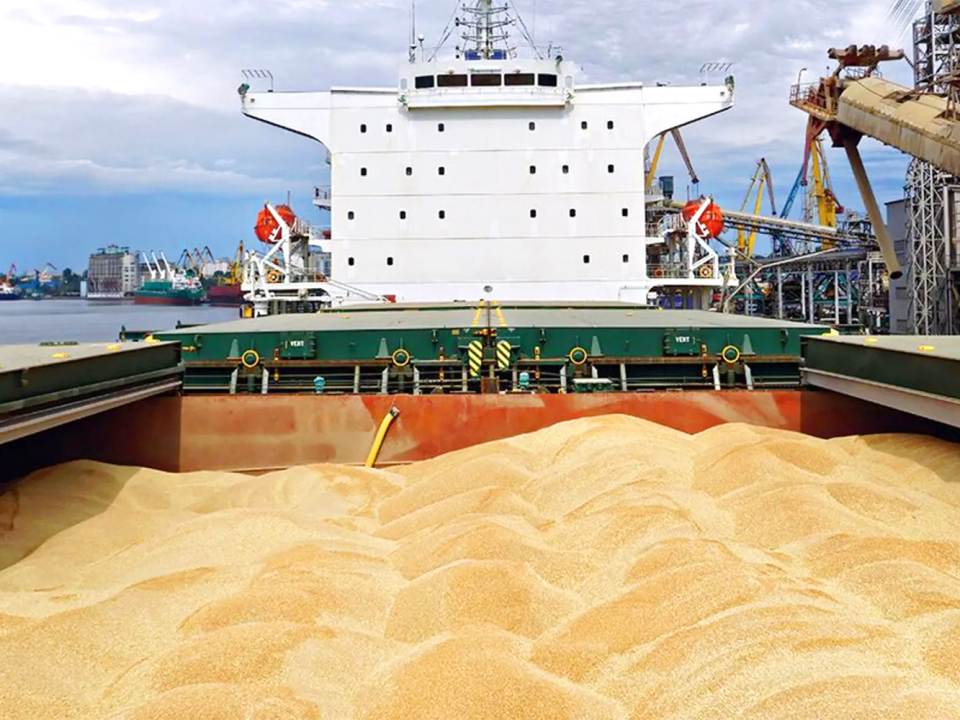
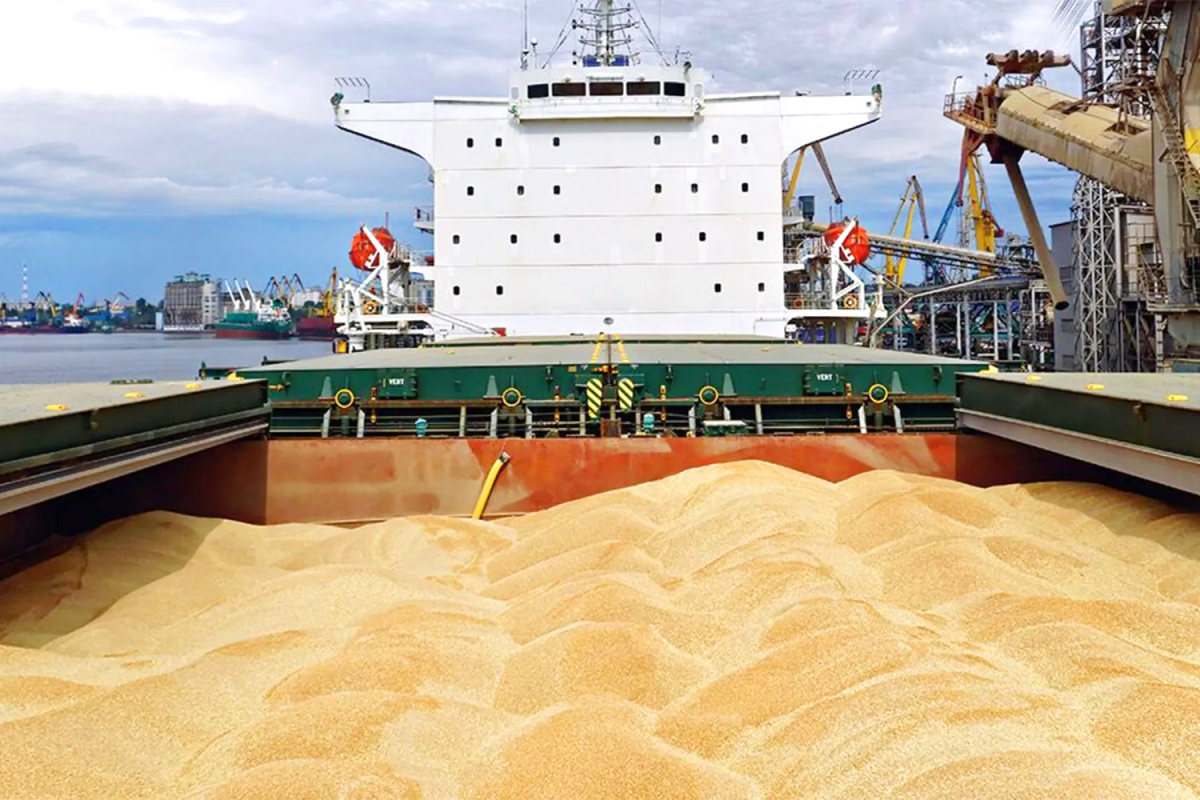
Recent data from Vietnamese Customs indicate that Brazil is a strategic supplier of essential inputs for Vietnam’s manufacturing industry, particularly in commodities such as soybeans, corn, and cotton. However, the new facilitation directive seeks to expand this scope to higher value-added products, such as processed animal protein and technological solutions for agribusiness. The shared goal of both governments is to reach US$10 billion in bilateral trade by 2025, an objective that directly depends on simplifying export routes and reducing non-tariff barriers.
For Brazilian entrepreneurs, the practical impact of these measures translates into agility. Vietnam has been investing heavily in modernizing its ports and implementing the VNACCS/VCIS (Vietnam Automated Cargo and Port Consolidated System), an electronic platform that reduces cargo clearance times. The integration of Brazilian customs with this system is one of the central axes discussed by the BVC. Victor Key, President of the Brazil-Vietnam Chamber of Commerce and Industry in São Paulo, highlights that eliminating bureaucratic redundancies is what will allow Brazilian medium-sized companies to compete equitably in the Vietnamese market.
When analyzing the regional context, Vietnam emerges as the main gateway to the Association of Southeast Asian Nations (ASEAN). Comparatively, the country has followed an economic opening trajectory similar to South Korea in the 1990s, prioritizing free trade agreements and attracting foreign capital for infrastructure. While Vietnam already has a free trade agreement with the European Union and is part of the CPTPP (Comprehensive and Progressive Agreement for Trans-Pacific Partnership), the rapprochement with Brazil and Mercosur is seen as a strategic move to diversify its sources of food and energy security.
The “friend-shoring” trend—the search for trading partners in countries with diplomatic affinity and political stability—directly favors the bilateral relationship. As global geopolitical tensions reconfigure supply chains, Vietnam is consolidating itself as a global manufacturing hub, demanding ever-increasing volumes of raw materials and energy. For Brazil, this represents not only an opportunity to sell commodities but also a consumer market of 100 million people with a rapidly expanding middle class eager for quality products.
In the logistics field, challenges still persist, but the Facilitation Agreement includes mechanisms to encourage more direct maritime routes. Currently, a significant portion of trade between Santos and Haiphong or Ho Chi Minh City relies on transshipments in European or Middle Eastern ports, which adds costs and transit time. The technical cooperation envisaged in the agreement aims to foster partnerships between shipping lines and logistics operators to enable direct calls, making Brazilian products more competitively priced on the Vietnamese shelves.
The future outlook for bilateral trade is one of deep and accelerated integration. The maturation of discussions on a possible Free Trade Agreement between Mercosur and Vietnam, actively supported by Brazilian diplomacy, finds its operational foundation in the Trade Facilitation Agreement. The harmonization of digital certificates and the mutual recognition of authorized economic operators are pragmatic steps that precede significant tariff reductions but already generate direct savings for exporters in the short term.
For the Brazilian productive sector, the moment demands technical preparation and market intelligence. Brazil’s position in this scenario is one of leadership: the country is not just a supplier but a development partner for Vietnam. The BVC emphasizes that understanding local regulations and utilizing the new facilitation mechanisms will be the competitive differentiators for companies seeking to expand their presence in Asia. With the reduction of bureaucratic barriers, the path is paved for the Brazil-Vietnam relationship to reach new levels of global relevance, transforming diplomatic potential into tangible economic results for both countries.