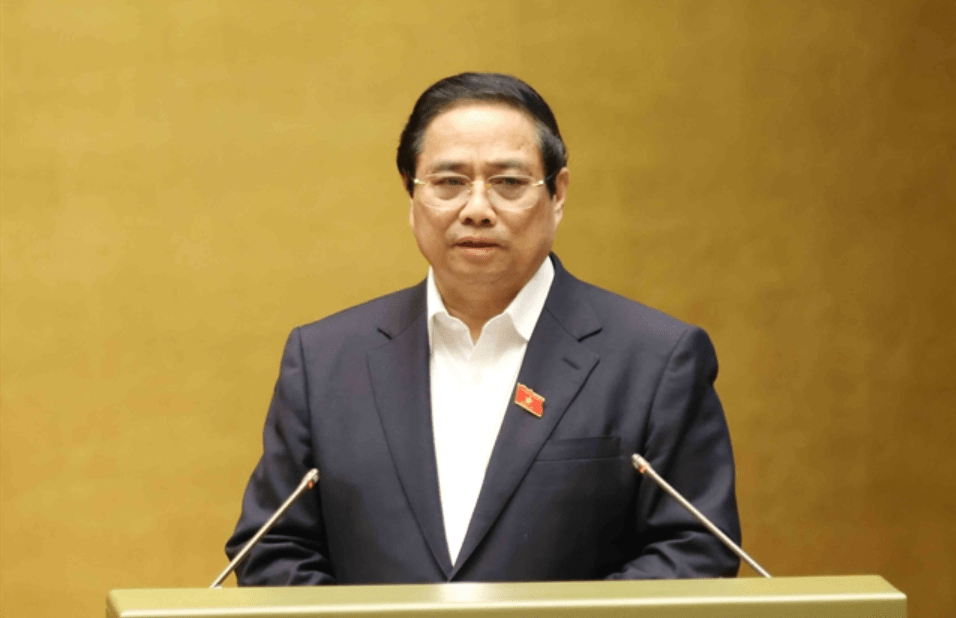

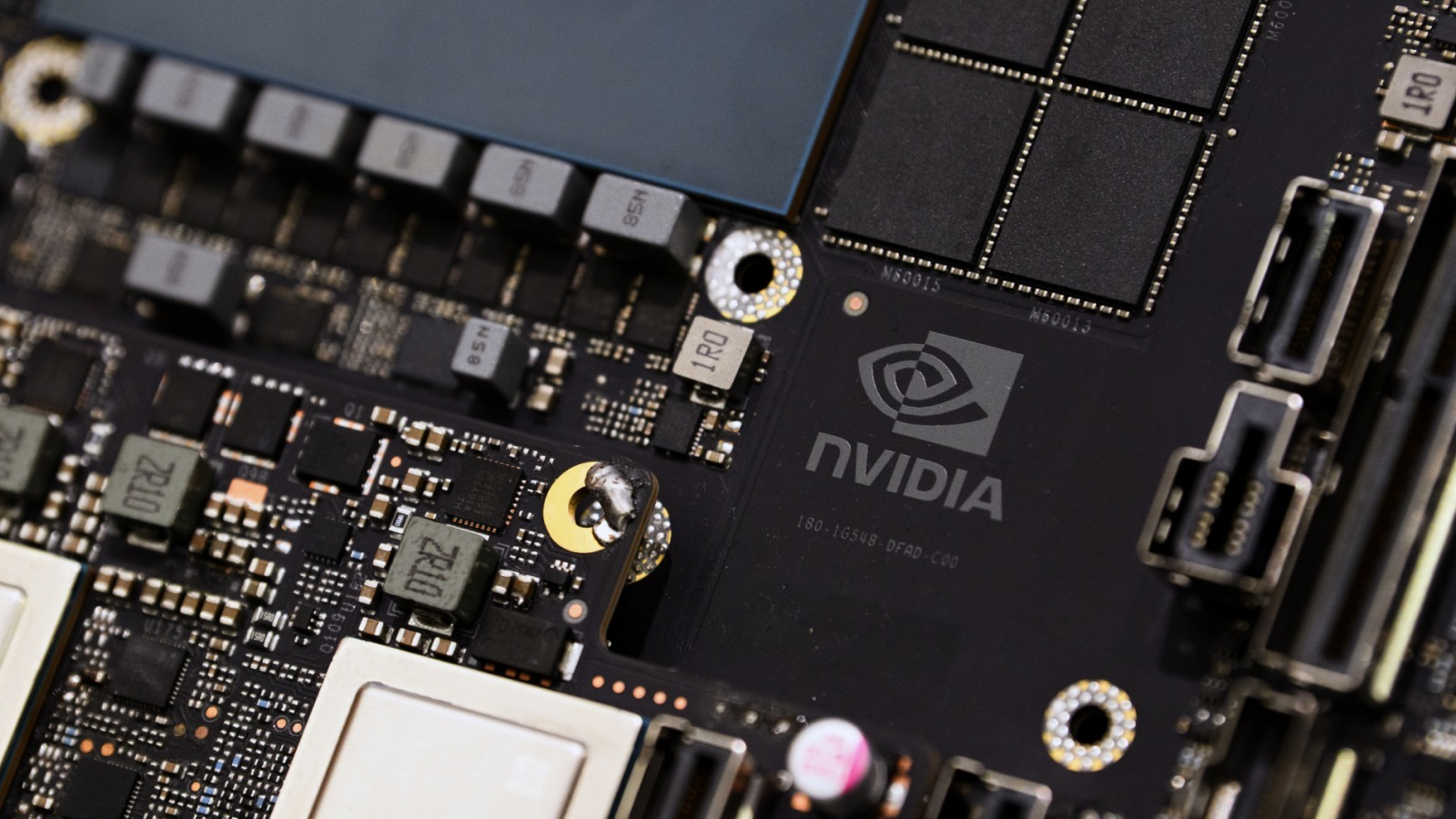
Vietnam solidifies its position as the new epicenter of global high-tech manufacturing, registering a record influx of Foreign Direct Investment (FDI) targeting the semiconductor and advanced electronics sectors in the first half of 2024. The Asian nation, under the guidance of the National Semiconductor Strategy until 2030, implemented by the government in Hanoi, has attracted multi-billion dollar commitments from global giants like NVIDIA, Samsung, and Foxconn, reaffirming its transition from a labor-intensive economy to a value-added powerhouse. This strategic move occurs amidst a reconfiguration of global supply chains, where Vietnam stands out as the primary beneficiary of the “China + 1” policy in Southeast Asia.
According to official data from Vietnam’s Ministry of Planning and Investment (MPI), realized foreign capital in the country reached $10.84 billion in the first six months of 2024, the highest volume for the period in the last five years. The manufacturing and processing sector led the inflows, accounting for approximately 70% of the total invested. Among the notable projects, Amkor Technology inaugurated one of the world’s largest semiconductor testing and packaging factories in Bắc Ninh, a $1.6 billion investment that places Vietnam on the critical map of global digital infrastructure.
Vietnam’s rise in the semiconductor segment is not circumstantial but the result of aggressive state coordination to address talent and infrastructure shortages. The Vietnamese government has set a target to train 50,000 chip-specialized engineers by 2030, aiming to integrate the country not just in assembly but in the design and creation of semiconductor ecosystems. During recent official visits, NVIDIA CEO Jensen Huang described Vietnam as a potential “second home” for the company, signaling plans to establish a permanent base to drive artificial intelligence (AI) and local digital infrastructure.
Comparatively, Vietnam is following an industrialization trajectory that echoes South Korea’s economic miracle, but with the agility required for the Industry 4.0 era. While other members of the Association of Southeast Asian Nations (ASEAN) compete for commodity investments, Vietnam is focusing on diversifying its export base. Currently, electronics already account for over 30% of the country’s total exports, surpassing traditional sectors like textiles and footwear, which grants the economy unprecedented resilience in the face of market fluctuations.
For Brazilian businesses, Vietnam’s technological advancement represents a fundamental shift in bilateral trade dynamics. Vietnam is now Brazil’s largest trading partner in Southeast Asia, and the sophistication of its industry opens doors for the integration of production chains. While Brazil exports essential commodities such as soybeans, corn, and cotton—inputs that sustain Vietnamese food security and industrial base—there is a growing opportunity for the import of high-precision electronic components that can reduce costs and modernize Brazilian industrial production.
Analysis from the Brazil-Vietnam Chamber of Commerce and Industry indicates that this “open sea” trend for semiconductors is expected to accelerate the signing of new technical cooperation agreements. According to Victor Key, President of BVC, the strengthening of economic ties depends on understanding that Vietnam is no longer just a low-cost supplier but an innovation partner. “The convergence between Brazil’s abundant natural resources and Vietnam’s growing technological capacity creates a South-South development axis with the potential to transform both markets,” Key assesses from the institution’s headquarters in São Paulo.
The practical impact for Brazilian investors lies in Vietnam’s macroeconomic stability and its network of free trade agreements (FTAs), including partnerships with the European Union and the CPTPP (Comprehensive and Progressive Agreement for Trans-Pacific Partnership). By using Vietnam as a logistics and industrial platform, Brazilian companies can access Asian markets with reduced tariffs, benefiting from deep-water port infrastructure and special economic zones that the Vietnamese government has been rapidly expanding in provinces like Đà Nẵng and Hải Phòng.
Looking ahead, Vietnam’s consolidation as an advanced manufacturing hub is expected to boost bilateral trade flow, which already exceeds $6.7 billion annually. The challenge in the coming years will be the implementation of Research and Development (R&D) cooperation protocols. As Vietnam moves up the value chain, Brazil finds a strategic ally in Hanoi for diversifying its technology sources and securing its own electronics supply chain, reducing dependence on traditional hubs.
The BVC reaffirms its role as a facilitator of this dialogue, promoting trade missions and connecting high-tech sectors of both countries. Vietnam’s evolution from an agricultural nation to a pillar of global semiconductors serves not only as an example of successful industrial policy but as an invitation for Brazil to reposition its trade priorities in Asia. The moment is one of transition, and integration with the Vietnamese technological ecosystem emerges as one of the most promising routes for Brazilian competitiveness on the international stage.