

Our Habits Are Not the Measure of the World
By Maria Helena Magalhães Sarmento Afonso
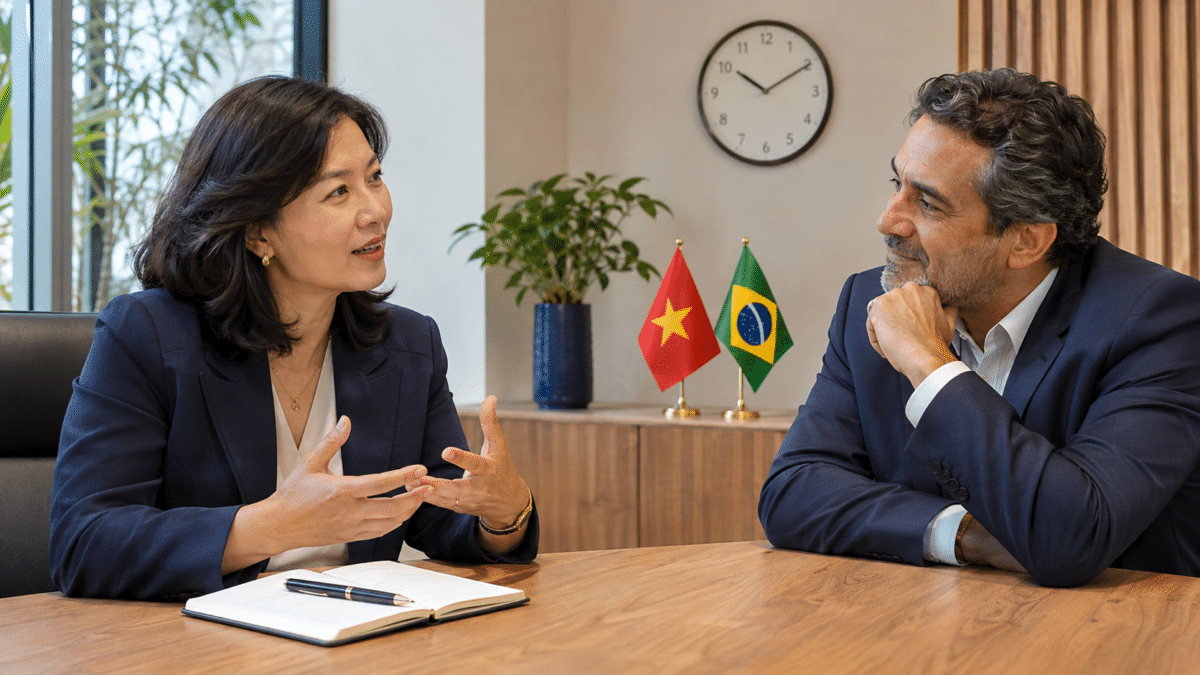
When people from different countries meet, they bring much more than words to the conversation. They bring values, habits, experiences, and ways of understanding the world. These cultural references influence what they consider respectful, how they express disagreement, and what they expect from a professional relationship.
We do not always recognize the influence of culture on our own attitudes. What we have learned and repeated throughout our lives may seem so natural that we come to regard it as universal. But does a behavior that feels familiar to us convey the same message to someone with a different cultural background?
Gestures help illustrate this point. A hand movement may accompany an explanation, convey warmth, or draw attention. Its meaning, however, depends on the situation and on the person interpreting it. The intention behind a gesture does not always match the effect it produces.
In Vietnam, for example, the official tourism portal recommends avoiding pointing at people, advises using the right hand or both hands when handing objects to others, and warns that crossing one’s fingers, a gesture associated with wishing for good luck in other contexts, may be considered highly impolite.
These examples invite us to reflect on something that goes beyond etiquette: how often do we interpret others solely through the cultural references we know ourselves?
We learn ways to greet people, show attentiveness, express respect, and handle disagreements. Over time, these behaviors become familiar and may come to serve as the standard by which we evaluate others. When we recognize that our habits are not the measure of the world, we make room for understanding different ways of interacting.
In professional encounters, this deserves particular attention. Before interpreting someone’s behavior as a lack of interest or cordiality, we need to consider the context, the relationship between the participants, and other possible interpretations. Culture provides useful clues, but it does not explain every individual on its own. Personal experiences, generational differences, and workplace environments also influence behavior.
Developing intercultural competence involves learning about customs and examining our own assumptions. It requires us to observe, ask questions, and listen before drawing conclusions. In practice, this means preparing for a meeting, clarifying expectations, and confirming next steps at the end of the conversation. These practices help identify differences in interpretation and build trust.
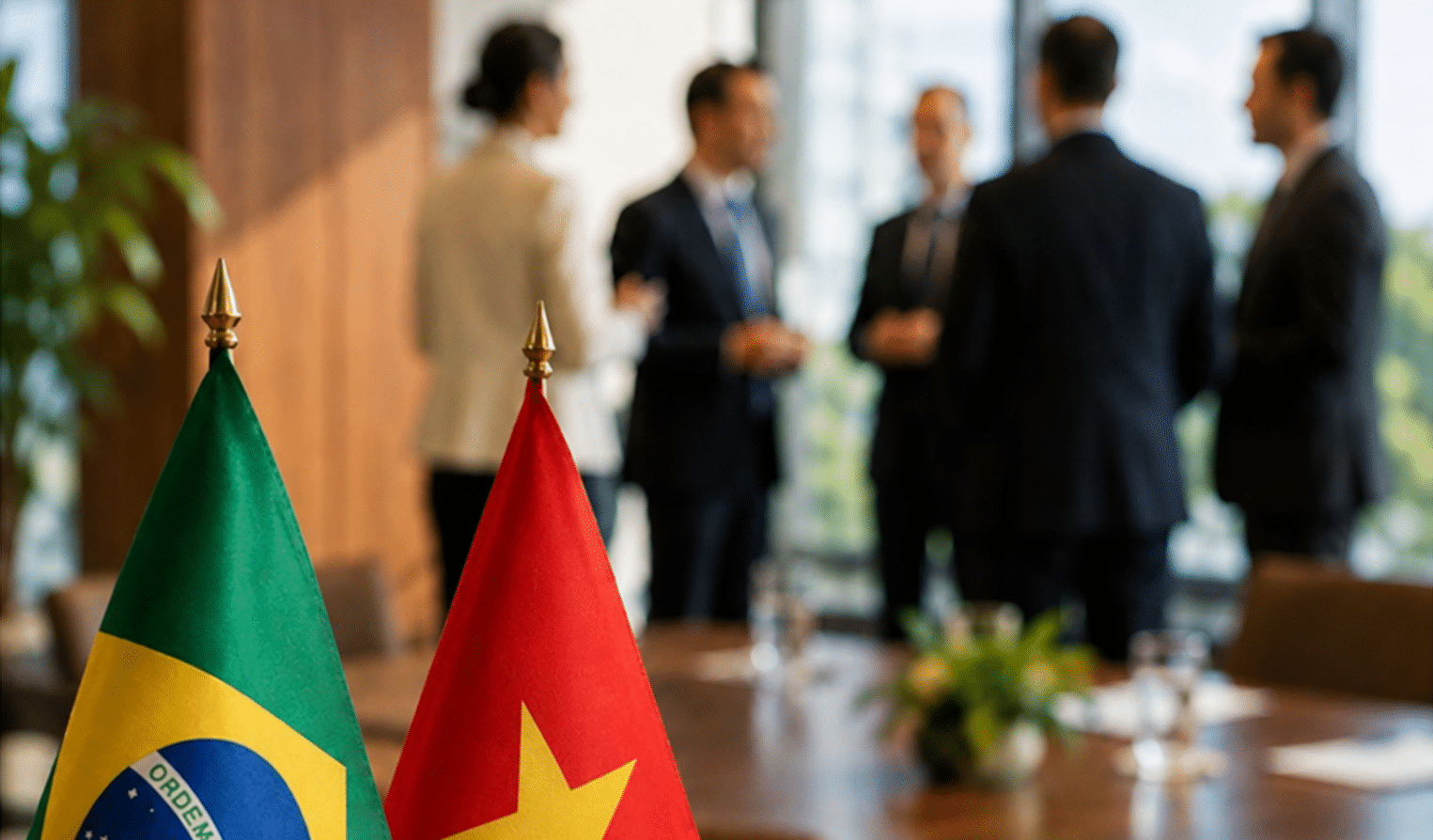
For those seeking to bring Brazil and Vietnam closer together, this preparation is an essential part of building a partnership. Understanding others requires curiosity, a willingness to learn, and awareness of our own cultural perspectives.
In this column, we will explore aspects of Vietnamese culture and their relationship with communication and business. The starting point is an essential attitude for any cross-cultural encounter: recognizing that there is still much for us to learn.
Reference: Vietnam National Authority of Tourism. Vietnamese Etiquette for Travellers.