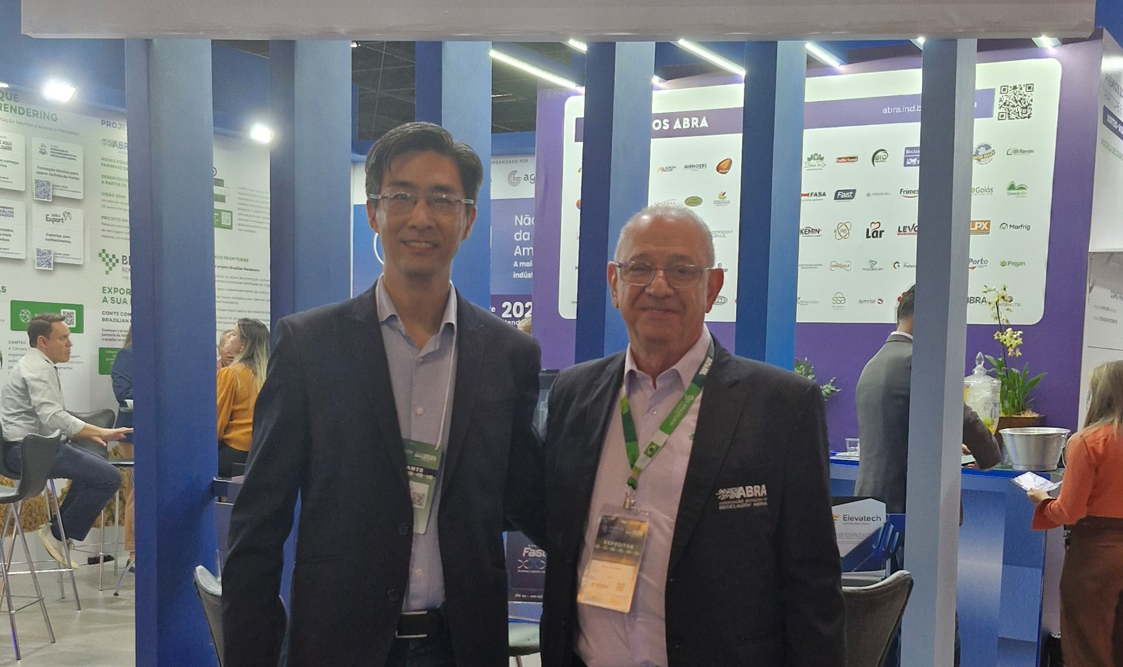
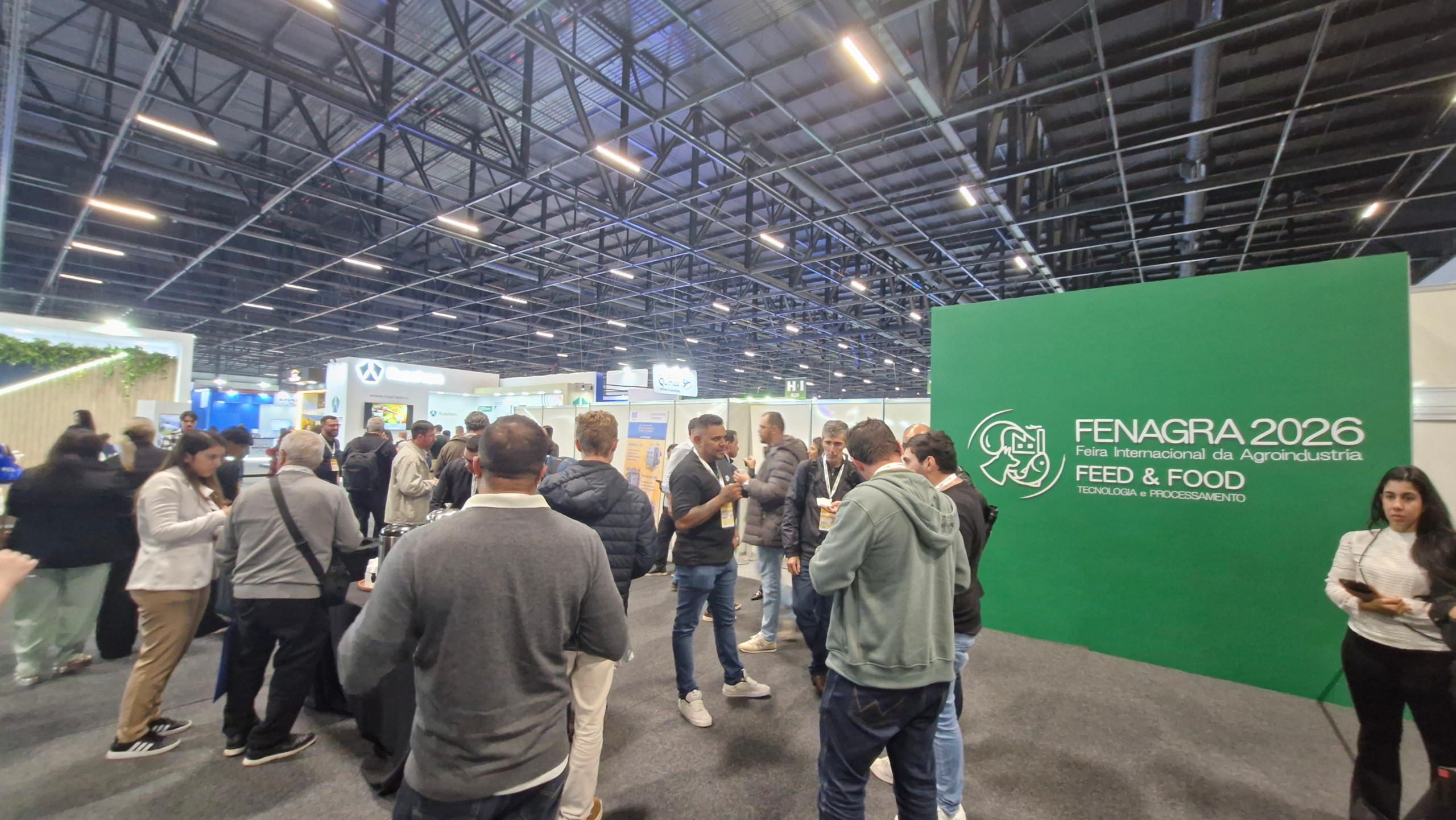
The Brazil Vietnam Chamber attended the 19th edition of FENAGRA, the International Agroindustry Feed & Food, Technology and Processing Fair, the main gathering point of the agroindustrial supply chain in Latin America. Held at Distrito Anhembi in São Paulo, the 2026 edition brought together 250 exhibitors from countries including the United States, Russia, Australia, Europe, Asia, and South America, with a projected transaction volume exceeding BRL 1 billion. The BVC was represented by its president, Victor Key.
Meeting with exporters and assessment of industry demands
The Chamber’s participation at FENAGRA focused directly on trade relations between Brazil and Vietnam. Throughout the event, Victor Key met with leading Brazilian exporters already operating in or seeking access to the Vietnamese market. The core objective was to listen to the demands of these companies: regulatory barriers, sanitary certifications, logistics, and market access were the central topics discussed.
Vietnam is one of the strategic destinations for Brazilian agribusiness. According to the Ministry of Agriculture and Livestock, the country ranks among the five largest buyers of Brazilian agricultural products, with exports already surpassing USD 3.5 billion in a single year. Grains, flours, processed goods, and the soy complex account for the largest share of this volume, while Vietnamese interest in the Brazilian market continues to grow.
The impact of ruminant DNA testing
Among the issues raised by exporters, the one that has generated the greatest impact in recent years is the mandatory ruminant DNA testing requirement for animal protein imports into Vietnam. Circular No. 01/2026/TT-BNNMT, issued by Vietnam’s Department of Animal Health (DAH), mandates testing of shipments of swine, poultry, fish, feather, and blood meal for ruminant DNA contamination, including bovine, caprine, and ovine species.
Sampling frequency varies according to the exporting country’s sanitary status: for countries recognized by the World Organisation for Animal Health (WOAH) as having negligible BSE risk, one in every five shipments is subject to inspection. In the event of a violation, three consecutive shipments are tested. Any shipment found positive for ruminant DNA faces a high risk of mandatory re-export, and all resulting costs, including storage, testing, and re-export expenses, fall under the seller’s responsibility.
In recent years, this requirement has caused significant losses for Brazilian companies whose shipments were detained or returned. The issue has discouraged a portion of exporters and currently stands as one of the main points of concern for those operating or planning to operate in the Vietnamese animal protein market. The BVC monitors this matter and is available to guide companies on current regulatory requirements.
Meeting with ABRA Executive President Décio Coutinho
One of the key highlights of BVC’s participation at FENAGRA was the meeting with Décio Coutinho, executive president of the Brazilian Animal Recycling Association (ABRA). Vietnam is among the primary export destinations for Brazilian animal recycling products, which include poultry and swine meals and fats, blood derivatives, and palatabilizers of animal origin.
ABRA has a well-established track record in the Vietnamese market, having represented the sector in official missions to Southeast Asia in partnership with the Ministry of Agriculture, the Ministry of Foreign Affairs, and ApexBrasil. The alignment between the Brazil Vietnam Chamber and ABRA reinforces the Chamber’s role as an institutional bridge between Brazilian producers and the Vietnamese market.
FENAGRA on a growth trajectory
At the previous edition in 2025, the fair generated approximately BRL 900 million in business, with more than 230 exhibiting brands and an audience exceeding 10,000 qualified visitors. In 2026, total commercial floor space grew 70% compared to the prior year, reflecting the sector’s confidence in the event’s business potential. According to fair director Daniel Geraldes, the 2026 edition recorded significant growth in both international visitors and technical congresses.
Next steps
BVC’s participation in FENAGRA 2026 consolidates the Chamber’s presence at major national agribusiness events and reinforces its role as a facilitator of bilateral trade. The demands gathered from exporters will be incorporated into the Chamber’s agenda in the coming months, including the planning of business missions to Vietnam and ongoing coordination with embassies and sectoral associations in both countries.
Companies interested in exploring opportunities in the Vietnamese market are welcome to contact the Brazil Vietnam Chamber at brazilvietnam.com.