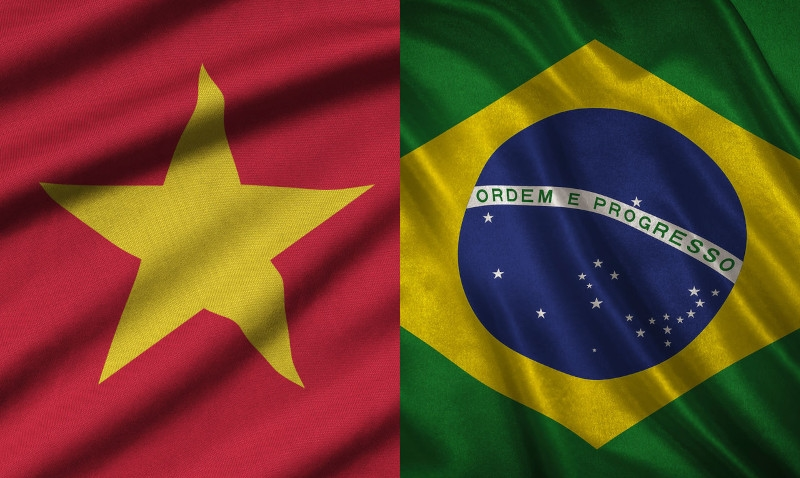

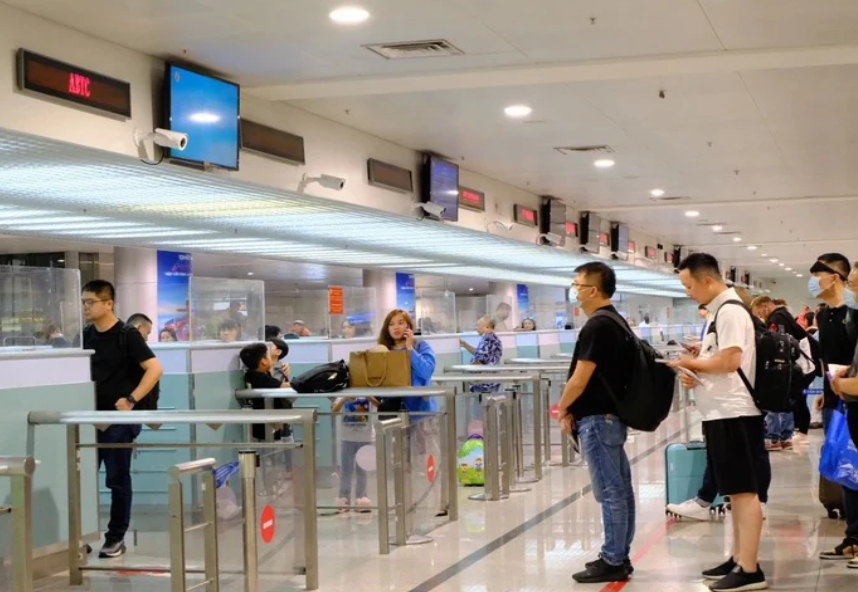
In the first half of 2026, the Vietnamese government consolidated a new phase of its migration policy, eliminating bureaucratic bottlenecks that historically limited long-haul visitor flow. The measure, which extends the validity of electronic visas (e-visas) to 90 days with multiple entries, aims to accelerate the achievement of the national goal of attracting 22 million foreign tourists and boost foreign direct investment (FDI) in strategic sectors. For the Brazilian market, the change represents the opening of a facilitated corridor for executives and investors seeking alternatives to traditional Asian supply chains.
According to recent data from Vietnam’s General Statistics Office (GSO), the simplification of entry processes has resulted in an 18% increase in arrivals of South American citizens in the first four months of the year. The modernization of the migration system runs parallel to the implementation of Resolution 82/NQ-CP, which prioritizes the digitalization of public services to promote sustainable economic recovery. Under the new protocol, the average processing time for business visas has been reduced to 72 business hours, a milestone for corporate agility in Southeast Asia.
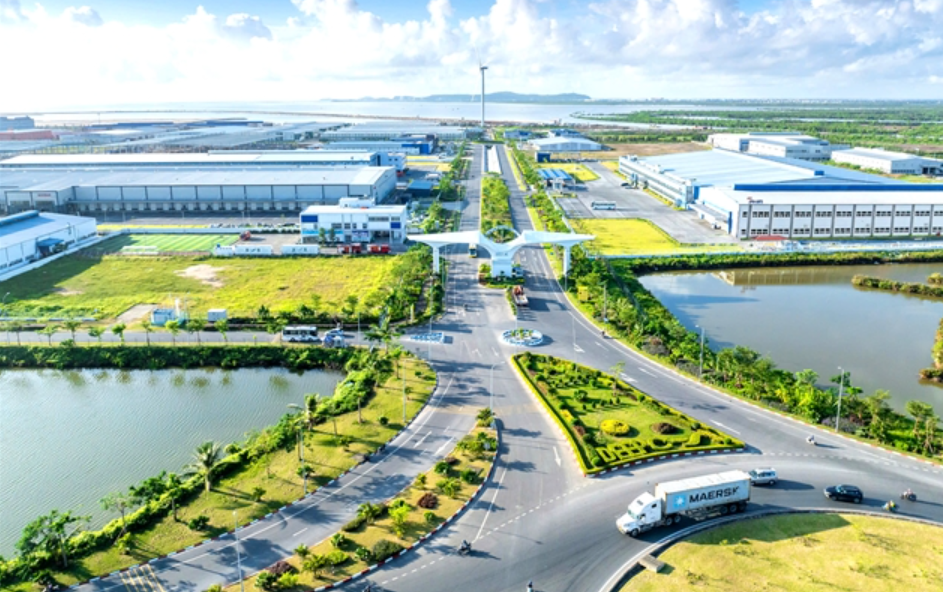
For the Brazil Vietnam Chamber of Commerce (BVC), this regulatory move is the catalyst needed to intensify trade missions between the two nations. “The reduction of bureaucracy is a clear signal that Vietnam is ready to receive Brazilian capital and know-how with less administrative friction,” states Victor Key, president of the São Paulo-based BVC. Key highlights that the ease of transit allows Brazilian entrepreneurs to conduct technical inspections and direct negotiations with suppliers in industrial hubs like Hải Phòng and Bình Dương more frequently and at a lower cost.
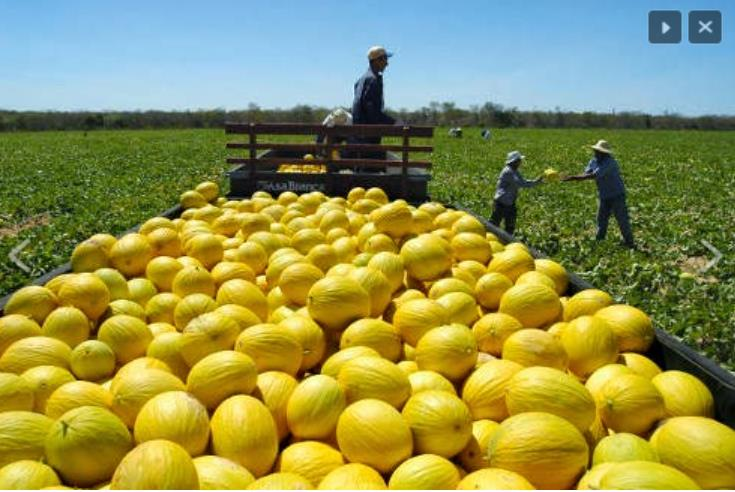
Sectoral analysis indicates that agribusiness and technology segments are the most benefited by the new policy. While Brazil remains Vietnam’s main trading partner in Latin America, with exchanges exceeding US$ 7 billion annually, the facilitated mobility allows Brazilian small and medium-sized enterprises to explore export niches for animal proteins and grains. On the other hand, the Vietnamese textile and electro-electronics sectors gain direct visibility to Brazilian buyers who previously hesitated due to the complexity of short-term visas.
Comparatively, Vietnam has followed a similar opening trajectory to Thailand and Singapore, members of the Association of Southeast Asian Nations (ASEAN). However, Vietnam’s competitive advantage lies in its operational costs and the dense network of free trade agreements (FTAs) the country maintains with major global blocs. By allowing Brazilian executives to stay for up to three months with multiple entries, Hanoi signals that it is not just seeking leisure tourists but long-term partners who use the country as an export platform for the rest of Asia.
In terms of leisure tourism, the deregulation meets the growing demand for exotic and cultural destinations. Traditional events, such as Tết (Vietnamese Lunar New Year), have registered a record presence of Brazilians, boosted by more efficient air connections via the Middle East and Europe. The ease of access to the historical centers of Huế and the natural landscapes of Hạ Long Bay reinforces Vietnam’s soft power, utilizing tourism as an entry point for future commercial relations and investments in tourism infrastructure.
For Brazilian businesses, the practical impact of this policy is the reduction of opportunity cost. The flexibility to enter and exit the country without the need for new consular processes for each trip allows BVC delegations to organize schedules for visits to multisectoral trade fairs with greater advance planning and lower logistical risk. The expectation for the second half of 2026 is that the bilateral flow of highly qualified professionals will grow by 25%, consolidating Vietnam as the priority destination for portfolio diversification in the Asian market.
The convergence of migratory digitalization and macroeconomic stability positions Vietnam as an example of administrative efficiency in the region. Observing the projected 6.5% GDP growth for this year, according to the Vietnam Investment Review (VIR), it is evident that the opening of borders is a vital component of the national development strategy. Visa simplification is not merely an administrative reform but a foreign policy tool that strengthens ties with major emerging economies like Brazil.
The conclusion of this reform cycle points to a future where the geographical distance between São Paulo and Hanoi is mitigated by digital efficiency. For the Brazilian reader, the current scenario presents immediate opportunity. The Brazil Vietnam Chamber emphasizes that migratory facilitation should be accompanied by robust strategic planning, taking advantage of this moment when the Asian country is more accessible than ever. The integration between the two economies is moving towards a level of maturity where the circulation of people is the engine for the circulation of wealth and innovation.