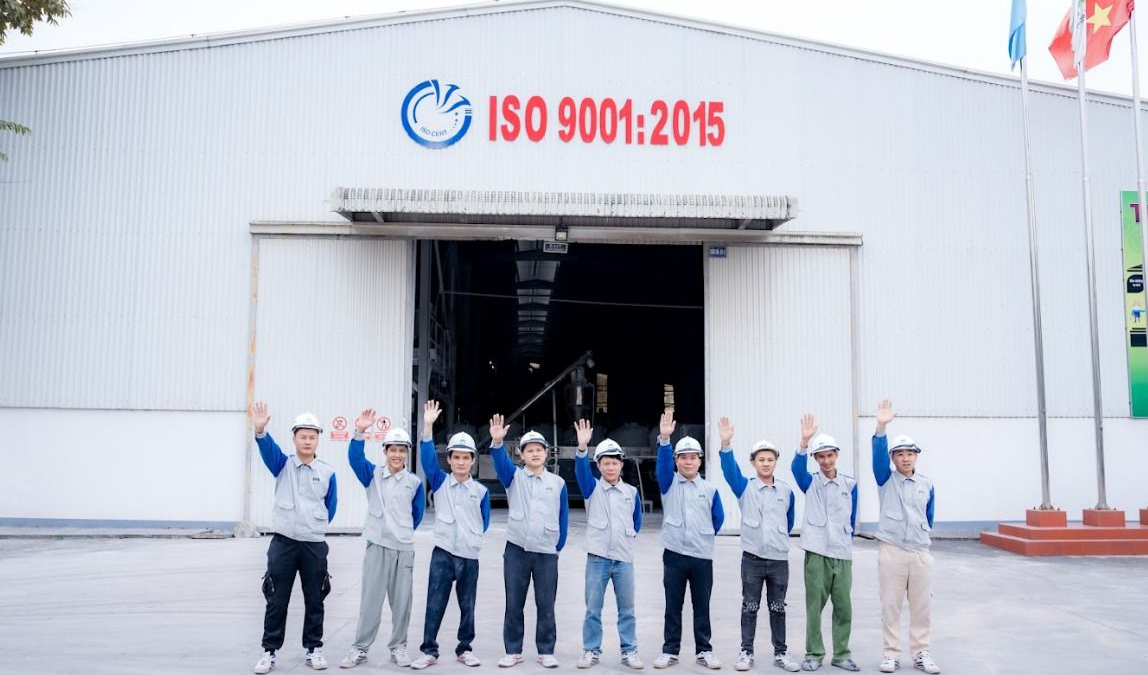


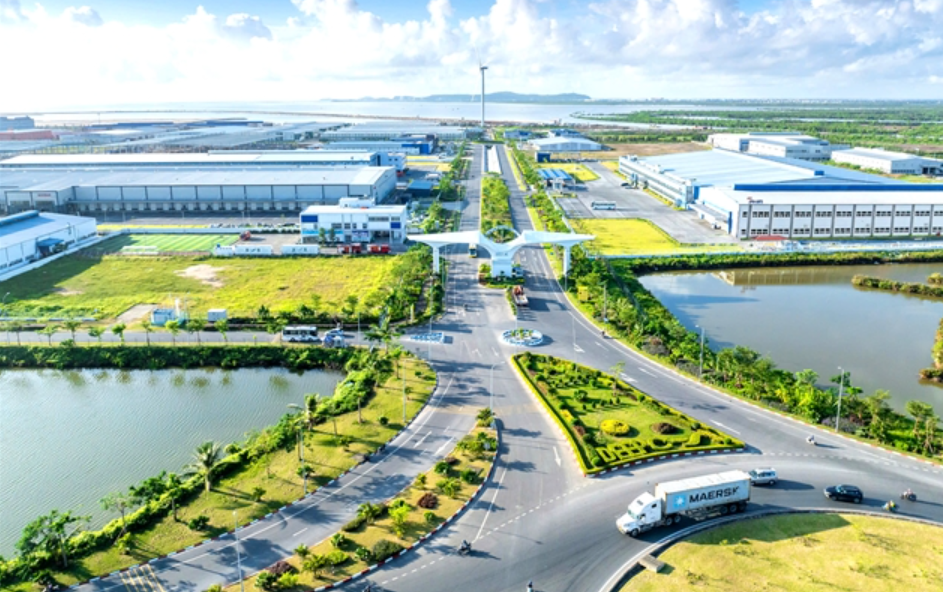
Vietnam is solidifying its position as a global advanced manufacturing hub in 2026 through the strategic expansion of its network of smart, eco-friendly industrial parks. Under the coordination of the Ministry of Planning and Investment (MPI), the country is implementing new processing zones that integrate 5G connectivity and logistics automation to optimize global supply chains. This infrastructural transformation aims to attract high value-added sectors, offering a favorable regulatory environment for international investors, including Brazilian businesses seeking market diversification in Asia.
The transition from traditional industrial zones to what are termed “Smart Eco-Industrial Parks” (EIPs) reflects Hanoi’s commitment to carbon neutrality goals and economic modernization. According to consolidated data from *Vietnam Investment Review*, Foreign Direct Investment (FDI) in technology parks saw an 18% growth in the first half of 2026, with a particular focus on semiconductors, biotechnology, and electric vehicle components. Provinces such as Bắc Ninh in the north and Bình Dương in the south are leading this movement, establishing innovation centers operating under Decree 35/2022/ND-CP, which standardizes tax incentives and streamlines administrative procedures for eco-industrial zones.
Unlike the industrialization model observed in other ASEAN (Association of Southeast Asian Nations) economies in previous decades, Vietnam is opting for a direct technological leap into Industry 4.0. The new industrial parks provide not just physical space and power, but integrated ecosystems including dedicated renewable energy grids, intelligent water recycling systems, and cloud data infrastructure. For the logistics sector, integrating these zones with deep-water ports, such as the Lạch Huyện complex in Hải Phòng, reduces operational transportation costs by up to 15%, a critical differentiator in a highly competitive global maritime freight market.
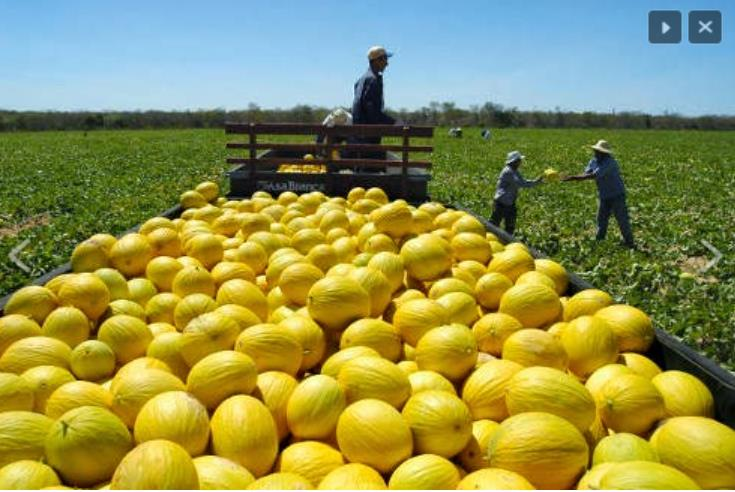
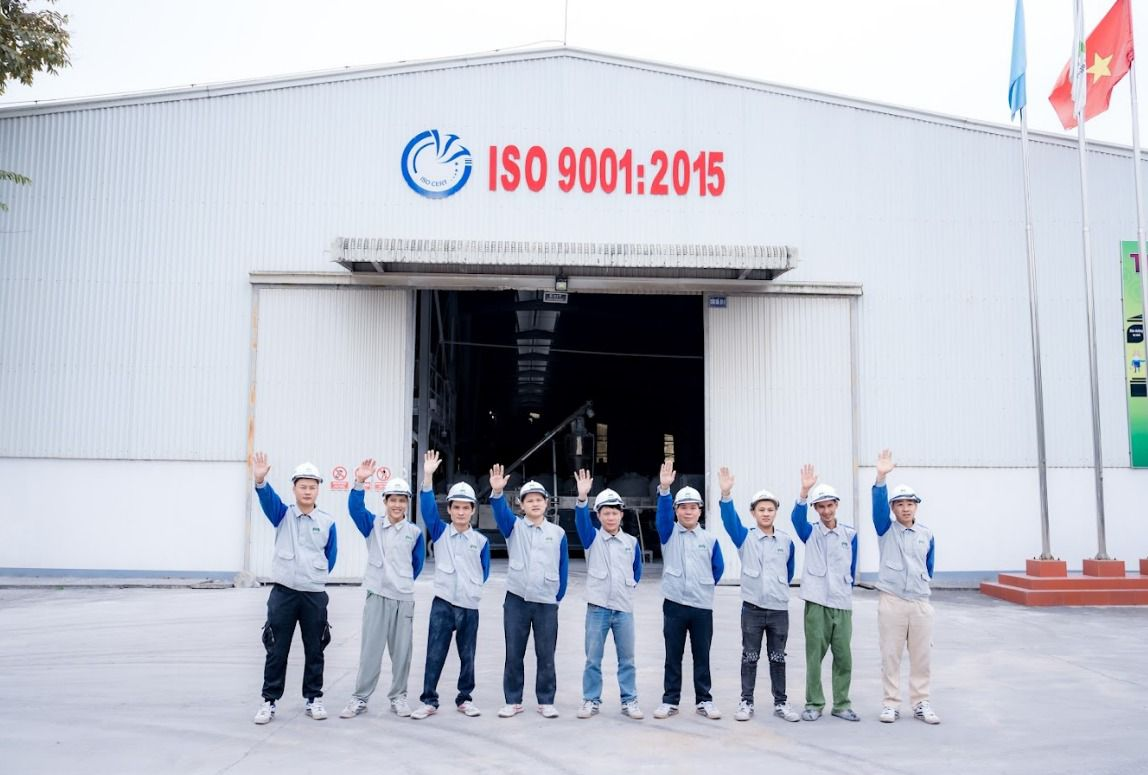
Among the sectors most benefiting from this cutting-edge infrastructure are the processed food industry and precision agribusiness. The Vietnamese government projects that by the end of 2026, over 45% of the country’s industrial zones will operate under international sustainability criteria, attracting investment funds guided by ESG (Environmental, Social, and Governance) principles. This trend is accompanied by exemptions on import duties for capital goods and progressive reductions in Corporate Income Tax for projects demonstrating technology transfer and low environmental impact.
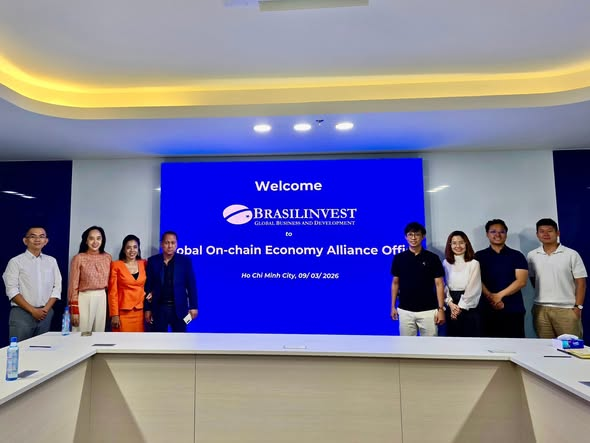
The Brazil-Vietnam Chamber of Commerce and Industry notes that this evolution is creating unprecedented opportunities for the Brazilian productive sector. Victor Key, president of the BVC based in São Paulo, highlights that Vietnam has moved beyond being just a market for basic commodities to become a strategic partner in manufacturing and technological services. The BVC’s mission is to act as the technical and institutional bridge for Brazilian companies to understand local tax complexities and leverage the logistical benefits offered by these new industrial complexes, facilitating the establishment of production plants or regional distribution centers.
When comparing Vietnam to its regional peers, a competitive advantage is evident in the agility of digital infrastructure implementation and the stability of long-term incentive policies. While neighboring markets face saturation in their major urban centers, Vietnam is expanding its industrial frontiers into central provinces, creating new economic poles connected by modernized railways and smart highways. This centralized planning ensures industrial expansion occurs in an orderly fashion, mitigating the risks of infrastructural bottlenecks that have historically constrained the growth of other emerging economies.
For Brazilian investors and exporters, access to these smart industrial parks represents the possibility of establishing production bases with competitive costs and direct access to markets that are signatories to the RCEP (Regional Comprehensive Economic Partnership). The integration of Brazilian expertise in agricultural biotechnology with Vietnamese industrial infrastructure can generate valuable synergies, especially in the processing of proteins and value-added products for Asian consumption. The current moment demands that Brazilian companies view Vietnam not just as a commercial destination, but as a sophisticated logistical and technological platform for globalizing their brands. The BVC reinforces that the strengthening of bilateral economic ties invariably involves the strategic occupation of these new economic development spaces in Southeast Asia.