
In the first half of 2026, the Vietnamese government has solidified the implementation of regulatory frameworks accelerating the transition to a low-carbon energy matrix, aiming to meet its net-zero emissions commitment by 2050. Under the guidelines of the Eighth Power Development Plan (PDP8), the Asian nation seeks to attract approximately $135 billion in investments by 2030 to expand its wind, solar, and biomass capacity. This move positions Vietnam as the leading renewable energy hub in the Association of Southeast Asian Nations (ASEAN), opening strategic avenues for technology and expertise from Brazilian companies.
Vietnam’s advancement in the energy sector is driven by a structural need to sustain industrial growth, which maintains Gross Domestic Product (GDP) expansion projections above 6.5% annually. According to data from Vietnam’s Ministry of Industry and Trade (MoIT), the goal is for renewable sources to account for at least 47% of total electricity generation by 2030, a considerable leap from the previous decade. To enable these figures, the country has leveraged the Just Energy Transition Partnership (JETP), an international cooperation agreement that initially mobilized $15.5 billion to fund the local economy’s decarbonization.
A cornerstone of this 2026 transformation is the consolidation of the Direct Power Purchase Agreement (DPPA) mechanism. This model allows manufacturers and large corporations to procure renewable energy directly from private producers, eliminating exclusive reliance on the state-owned Vietnam Electricity (EVN). According to the Vietnam Investment Review, this regulatory flexibility has attracted global giants in technology and apparel seeking to align their supply chains with global Environmental, Social, and Governance (ESG) criteria, making Vietnam an even more competitive destination for Foreign Direct Investment (FDI).
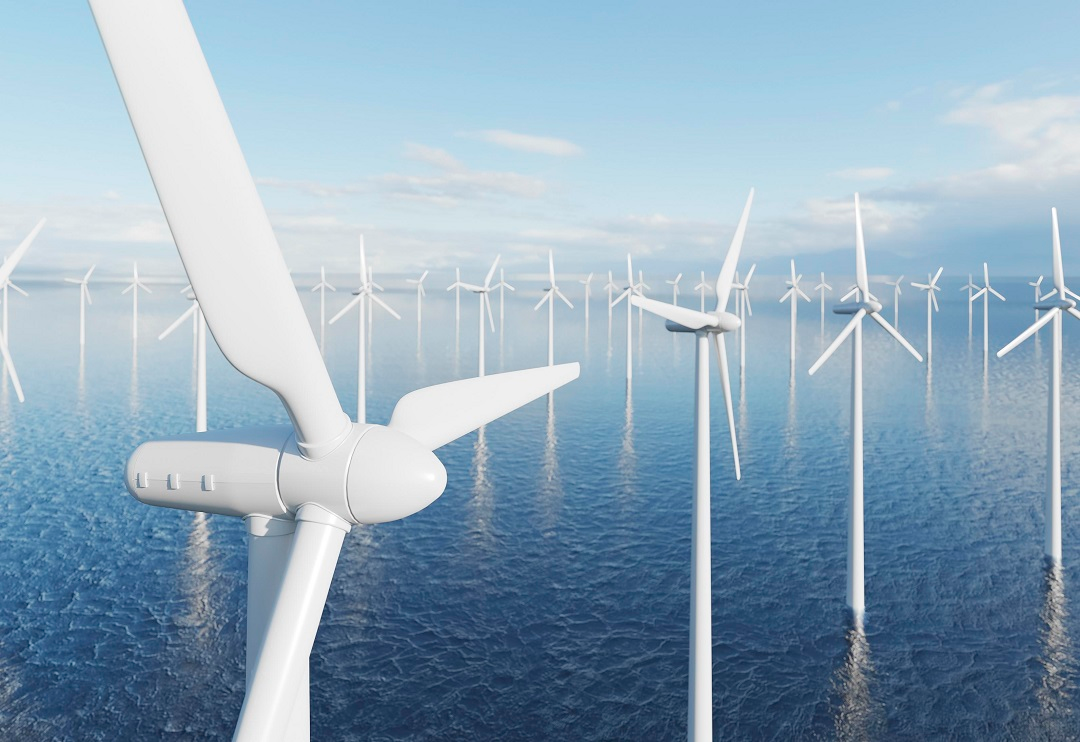
Analysis of trends in the Asian market reveals an unprecedented focus on offshore wind energy. With a coastline exceeding 3,200 kilometers, Vietnam possesses an estimated technical potential of 600 GW, placing it in a position analogous to Brazil’s in the South Atlantic. While Brazil advances in regulating its offshore wind farms, Vietnam is already operating large-scale pilot projects in provinces like Binh Thuan and Ninh Thuan, serving as an economic feasibility laboratory for developing nations seeking to diversify their energy mix without compromising energy security.
Beyond wind and solar, Vietnam has intensified incentives for green hydrogen production and energy storage through battery energy storage systems (BESS). The government’s target is to establish the country as a hydrogen exporter to neighboring economies like Japan and South Korea by the end of this decade. This move reflects a “technological leapfrogging” strategy, similar to South Korea’s trajectory in the semiconductor sector, where Vietnam now aims not only to consume but to master the higher value-added stages in the global clean energy supply chain.
For Brazilian businesses, the landscape presents opportunities beyond commodity exports. Brazil, possessing one of the cleanest energy matrices globally and a highly developed electrical component and biofuel industry, finds a partner in Vietnam with complementary demands. Brazilian companies specializing in transformers, high-efficiency motors, and smart grid management solutions are finding a receptive environment for tenders and joint ventures, particularly in projects requiring adaptation to tropical climates, where Brazilian technical expertise offers a competitive advantage.
The Brazil Vietnam Chamber of Commerce (BVC), under the presidency of Victor Key, has closely monitored these transformations to guide Brazilian investors. According to the institution, the mission is to facilitate dialogue between the private sectors of both countries, reducing entry barriers and promoting the exchange of sustainable solutions. The BVC emphasizes that this is a moment for strategic positioning, as Vietnam is actively in the phase of replacing coal-fired thermal power plants with lower environmental impact alternatives, creating immediate demand for industrial modernization.
The integration between Vietnam’s climate goals and Brazil’s production capacity can foster a new cycle of bilateral cooperation. As Brazil seeks to expand its presence in dynamic Asian markets, Vietnam requires partners who understand the challenges of rapidly developing infrastructure. Alignment with green energy practices is not merely an environmental imperative but a condition for both countries’ continued participation in the most qualified trade flows of the 21st century.
The close of 2026 is expected to solidify Vietnam as the region’s largest solar and wind energy market, surpassing neighbors like Thailand and Indonesia in installed capacity per capita. For the Brazilian reader, the Vietnamese example reinforces that the energy transition is a driver of capital attraction and innovation, not an impediment to development. The connection between São Paulo and Hanoi, mediated by the Brazil Vietnam Chamber, becomes the natural pathway for companies seeking leadership in the global green economy, uniting Brazil’s tradition in renewables with the dynamism of one of the world’s fastest-growing markets.