
Vietnam recorded 5.66% Gross Domestic Product (GDP) growth in the first quarter of 2026, solidifying its position as one of the most dynamic economies in the Association of Southeast Asian Nations (ASEAN). The result, driven by accelerated expansion in the manufacturing sector and continuous Foreign Direct Investment (FDI) inflows, surpassed initial projections for the period. This scenario signals a strategic opening for Brazilian exporters, who find a growing demand for industrial inputs, energy, and high-value-added agricultural commodities in the Vietnamese market.
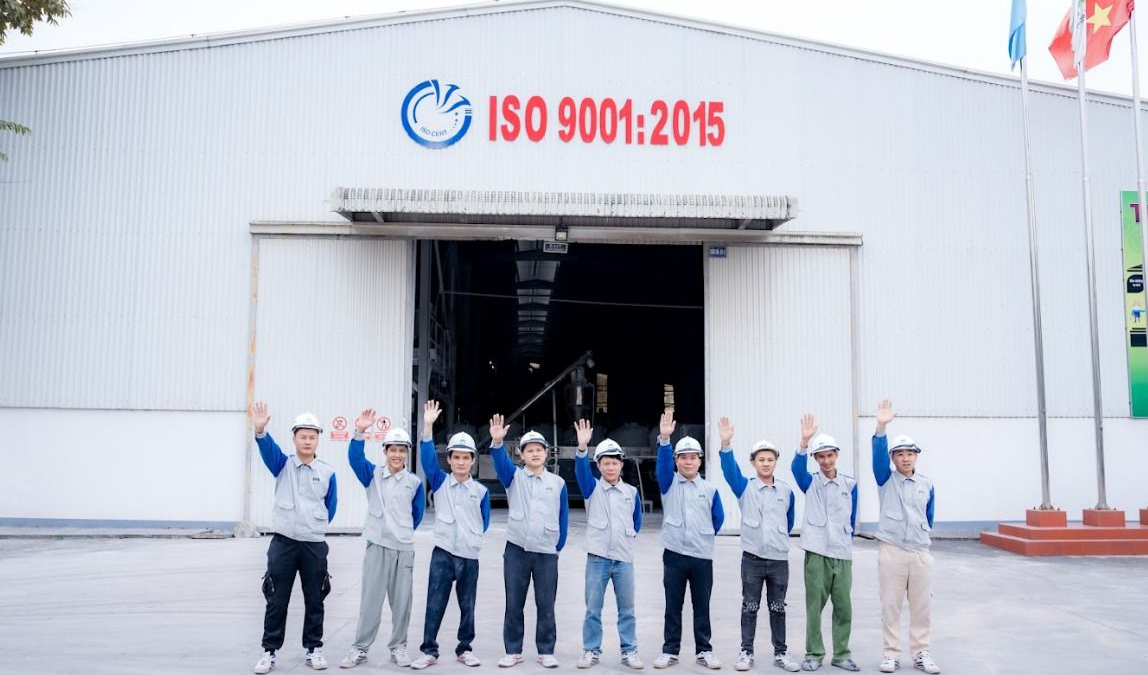
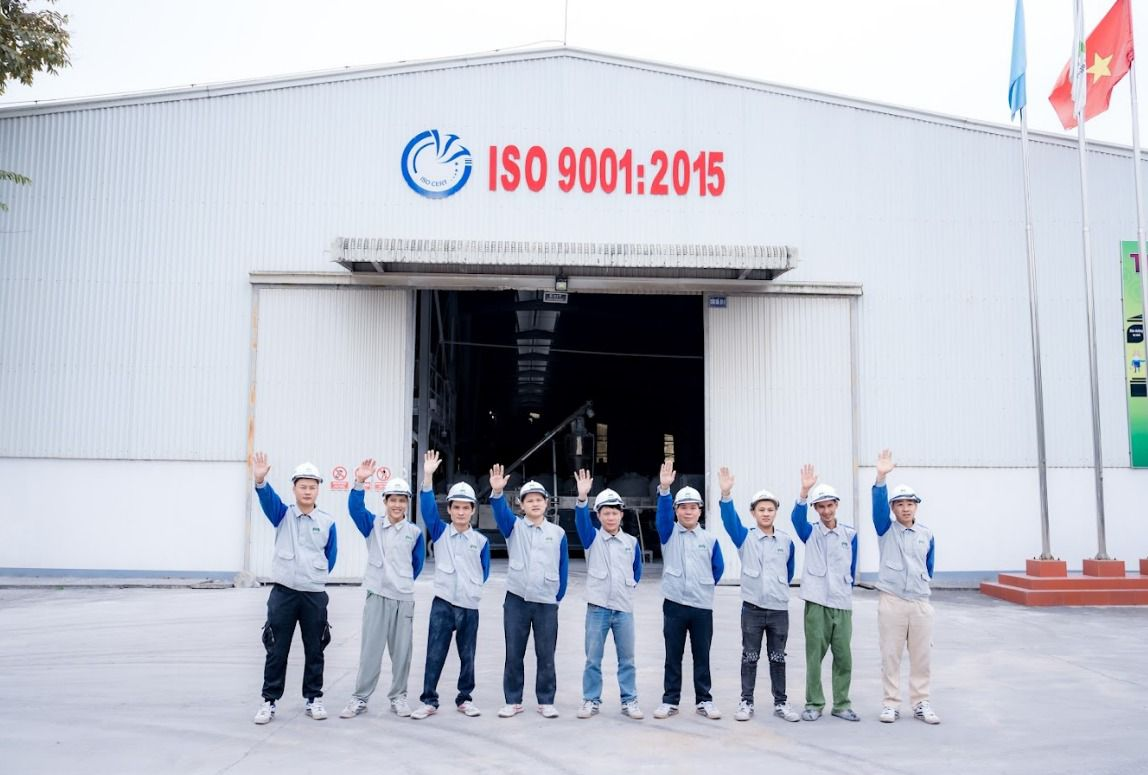
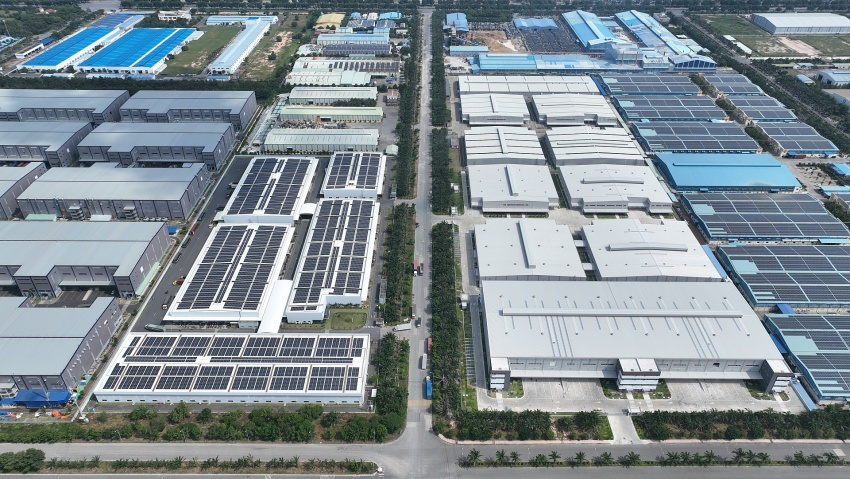
According to official data from Vietnam’s General Statistics Office (GSO), the industry and construction sector saw a surge of 6.28%, contributing nearly half of the country’s total growth in the quarter. This performance reflects Hanoi’s strategy to position itself as a global technology and semiconductor hub, attracting multinational giants seeking to diversify their supply chains. For Brazil’s productive sector, this Vietnamese industrial transformation translates into an immediate need for raw materials, especially iron ore, cotton, and wood products.
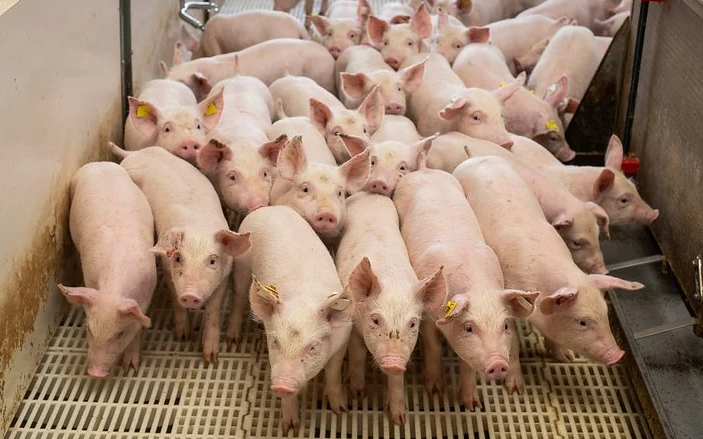
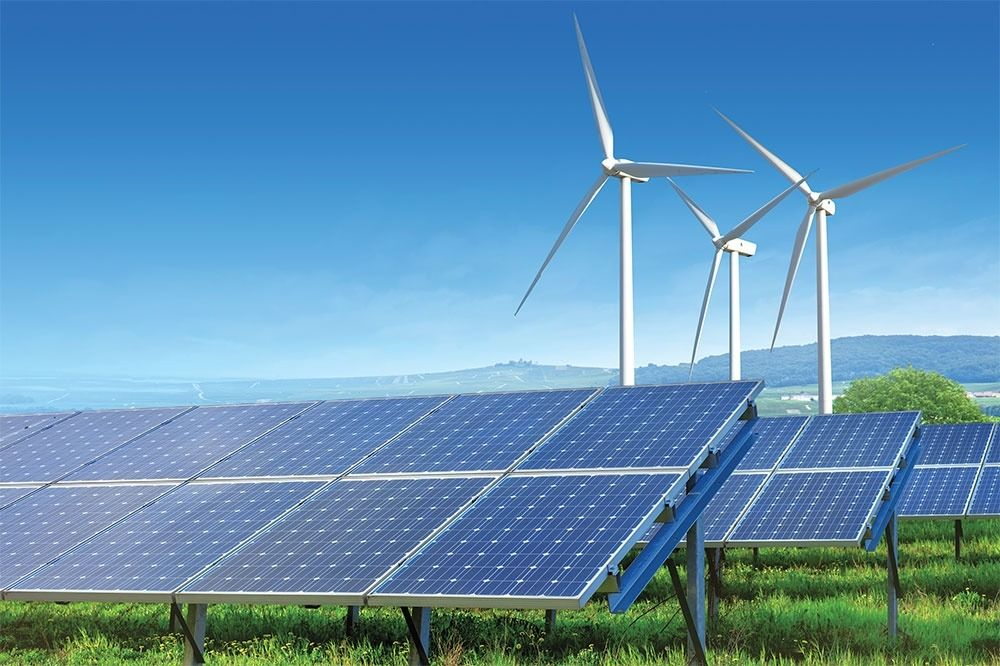
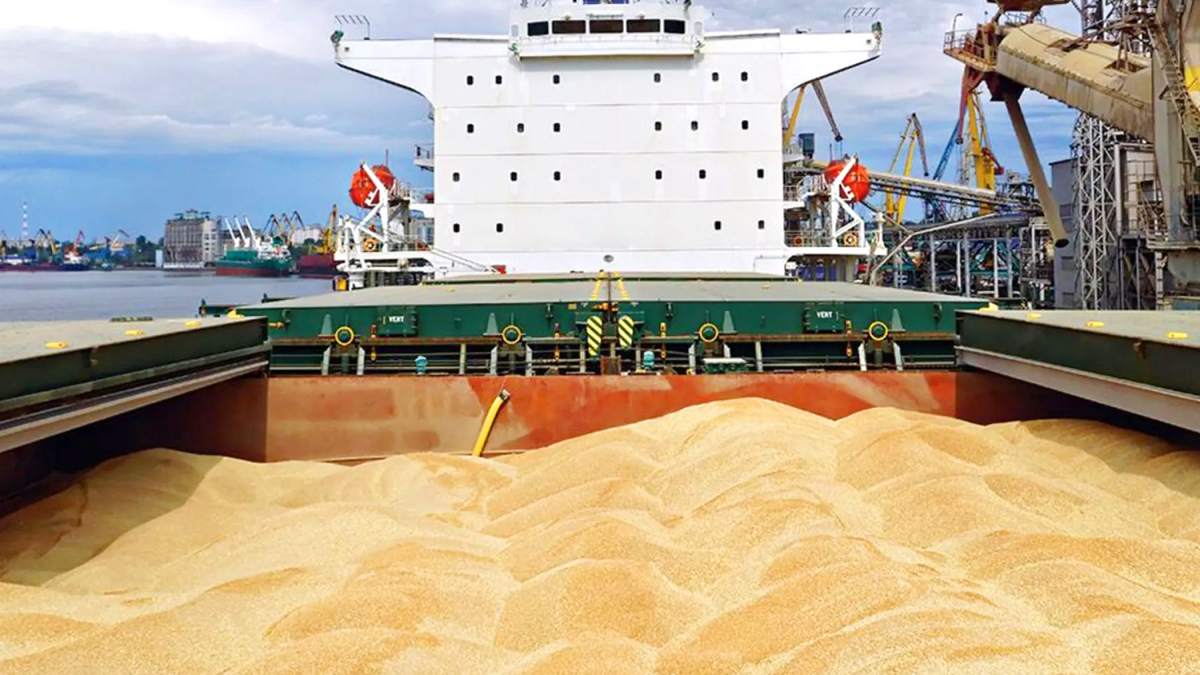
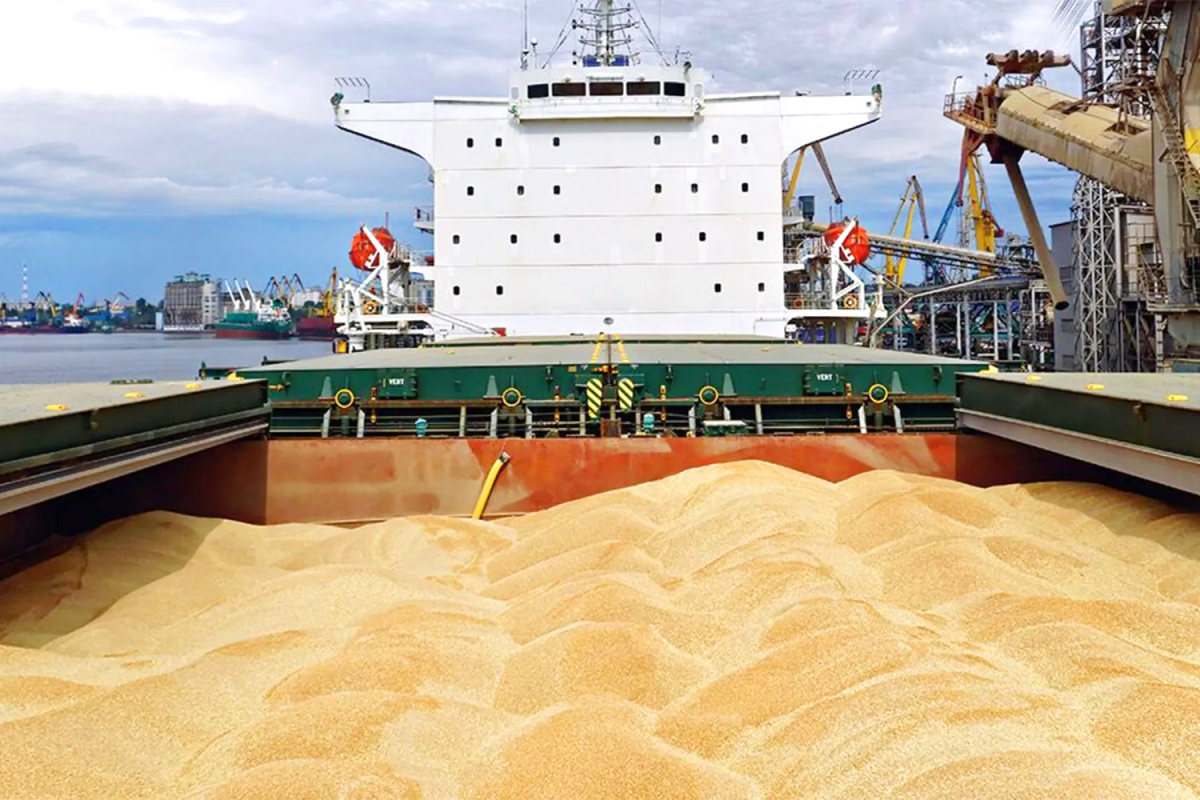
Foreign capital flow also maintained a vigorous pace, with realized FDI reaching historical levels for the start of the year. The country has been directing these investments towards logistics infrastructure and renewable energy, aiming to support export targets for electronics and textiles. According to the Vietnam Investment Review, the resilience of Vietnamese exports, which grew double-digits in the first quarter, is pressuring the local supply chain, forcing the country to seek reliable partners for the supply of grains such as soybeans and corn, essential for the animal protein and food processing industries.
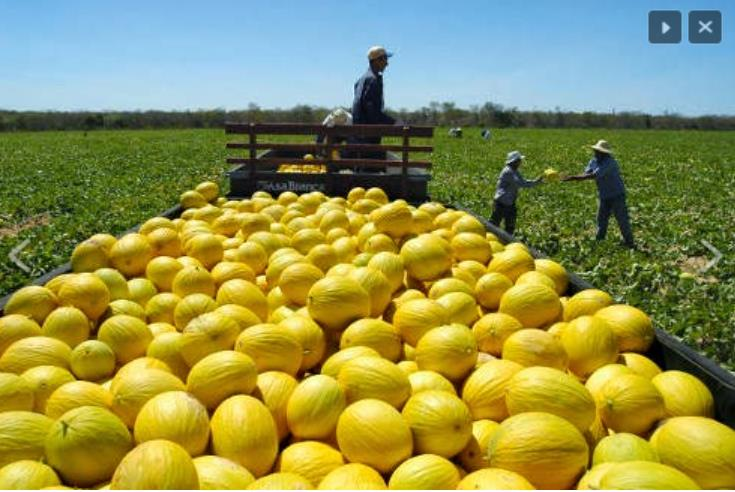
From a comparative perspective, Vietnam’s 5.66% advance places it on a trajectory superior to its regional neighbors and resembles the rapid expansion cycle observed in South Korea in past decades. While other emerging economies face real estate stagnation or subdued domestic consumption, Vietnam demonstrates an ability to adapt to global fluctuations. This phenomenon is driven by a young workforce and increased purchasing power of the urban middle class, which is beginning to demand more sophisticated products, including premium meats and fruits from Brazil.
Victor Key, President of the Brazil-Vietnam Chamber of Commerce and Industry (BVC), highlights that the moment signifies a qualitative transition in bilateral trade. “Vietnam is no longer just a destination for basic commodities; current growth demands a partnership in logistical intelligence and sustainable supply,” Key stated in analyses from the São Paulo-based institution. The BVC’s mission has been to facilitate this dialogue, ensuring Brazilian businesses understand the regulatory nuances and opportunities arising from Vietnam’s Power Development Plan VIII (PDP8) and new special economic zones.
The trend for the remainder of 2026 points to continued optimism, albeit contingent on the stability of international freight costs and global inflation. The Vietnamese government maintains its annual growth target between 6% and 6.5%, which will require an increase in intermediate goods imports. For Brazilian exporters, this represents a window of opportunity to diversify their export portfolio, moving beyond traditional products and incorporating components that meet the environmental and traceability requirements of the Asian market.
Another determining factor is the digitalization of the Vietnamese economy, which is expected to represent 20% of GDP by the end of this year. This move opens avenues for the export of services and technology from Brazil’s agribusiness (AgTechs), a sector where Brazil holds recognized global leadership. The integration of crop monitoring systems and efficient resource management is of mutual interest, as Vietnam seeks to modernize its domestic agricultural base while expanding its urban industrial capacity.
The future outlook for the bilateral relationship is one of deep complementarity. With Vietnam’s economy operating at full capacity and geared towards the global market, Brazil is positioned as the ideal partner to ensure the food and energy security necessary for this leap. The BVC emphasizes that rigorous monitoring of quarterly data is crucial for Brazilian companies to adjust their market strategies and preempt international competitors in one of the decade’s most promising territories.
The conclusion of the first quarter with solid indicators reaffirms that Vietnam has overcome post-pandemic challenges and is entering a new phase of economic maturation. For investors and exporters in Brazil, the 5.66% growth is not merely a statistical figure but an invitation to action in a market that values consistency and quality. The consolidation of these commercial ties, mediated by institutions like the BVC, will be Brazil’s competitive differentiator in the Asia-Pacific region in the coming years.