In the first half of 2026, Vietnam has consolidated a structural transformation in its rural productive base by integrating Artificial Intelligence (AI) and Internet of Things (IoT) technologies on a large scale. The Ministry of Agriculture and Rural Development of Vietnam (MARD) has set a goal to digitize 80% of key agricultural databases by the end of this year, connecting smallholder farmers to highly transparent global supply chains. This initiative aims not only to increase productivity but also to respond to the growing demands for sustainability and traceability from European and North American markets.
According to recent data from the General Statistics Office of Vietnam (GSO), the agricultural sector is projected to grow by 3.8% in 2026, driven by the adoption of Agriculture 4.0 practices. The government’s “Digital Transformation in Agriculture and Rural Development for 2030” plan is already showing practical results: over 60% of aquaculture farms in the Mekong River Delta (*Đồng bằng sông Cửu Long*) now utilize automated monitoring systems. These devices control water quality and crustacean feeding in real-time, reducing input waste by 25% and increasing the competitiveness of Vietnamese shrimp abroad.
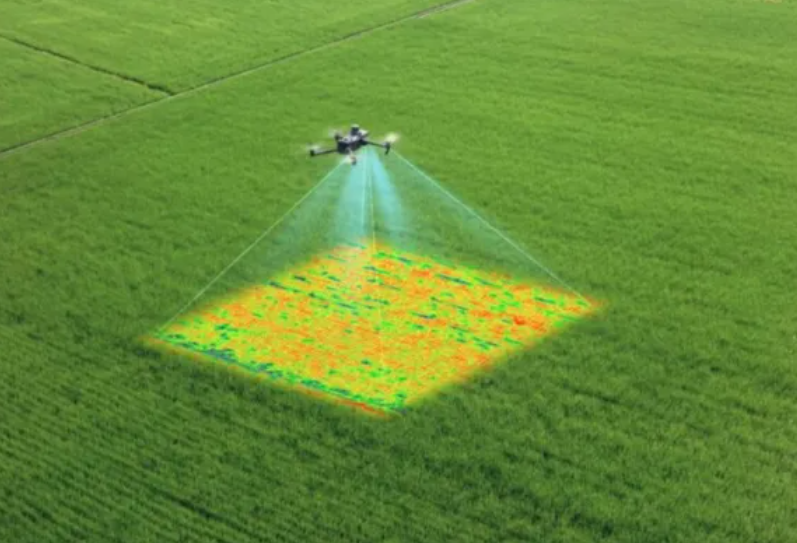
Technological modernization is supported by investments exceeding US$2 billion in rural digital infrastructure and agrotechnology innovation centers (agritechs). One of the pillars of this strategy is the “One Million Hectares of High-Quality, Low-Carbon Rice” project, which uses drones for soil mapping and precision application. The central objective is to reduce methane emissions and secure green certification labels, allowing Vietnam to capture price premiums in markets that value economic decarbonization.
For Brazilian entrepreneurs, the Vietnamese digitalization scenario offers a strategic parallel to the evolution South Korea experienced in past decades, but with a focus on the primary sector. Just as South Koreans skipped development stages through industrial technology, Vietnam is using 5G connectivity in rural areas to overcome historical logistical bottlenecks. This acceleration creates an immediate demand for management software solutions, biotechnology, and agricultural machinery adapted to intensive family farming, areas where Brazil holds global technical leadership.
The impact of this modernization is directly reflected in export targets. The MARD projects that exports of agricultural, forestry, and fishery products will reach a historic mark of US$62 billion by the end of 2026. Digitalization enables Vietnam to implement blockchain systems for full traceability of tropical fruits, such as dragon fruit and durian, meeting the strict phytosanitary protocols of China and the European Union. Data transparency has become the new currency for accessing premium markets.
Compared to its peers in the Association of Southeast Asian Nations (ASEAN), Vietnam stands out for its speed in implementing digital governance policies. While neighboring nations still face fragmentation of rural data, the Vietnamese government has centralized information on a national platform, facilitating access to credit for farmers adopting sustainable technologies. This favorable regulatory environment has attracted international venture capital funds interested in scaling agritech solutions for all of Southeast Asia from Hanoi and Ho Chi Minh City.
The Brazil-Vietnam Chamber of Commerce and Industry (BVC) observes that the complementarity between the two nations has never been more evident. While Brazil consolidates itself as a major supplier of commodities and technology for large-scale operations, Vietnam is becoming a center of excellence for the digitalization of small and medium-scale agriculture. The exchange of experiences in tropical agriculture and joint development of climate monitoring solutions emerge as essential bilateral cooperation fronts for global food security.
Victor Key, President of the BVC, highlights that the modernization of Vietnam’s agricultural sector represents a unique window of opportunity for Brazilian technology companies. “Vietnam is not just looking to buy products, but to integrate solutions that ensure production efficiency. There is a vast market for Brazilian agritechs operating with soil sensors, satellite data analysis, and biopesticides,” states Key. Strengthening these economic ties is one of the BVC’s priorities for 2026, aiming to connect innovation hubs in São Paulo and Minas Gerais with Vietnam’s high-tech agricultural zones.
The outlook for the coming years is one of even deeper integration. With the entry into force of new trade agreements and the harmonization of digital standards, bilateral trade between Brazil and Vietnam is expected to reach new levels of added value. Digitalization in Vietnam’s rural sector is not an isolated event but part of a long-term strategy to make the country a hub for sustainable food in Asia. For the Brazilian productive sector, understanding and participating in this transformation is fundamental to maintaining relevance in an increasingly technological and data-driven global market.