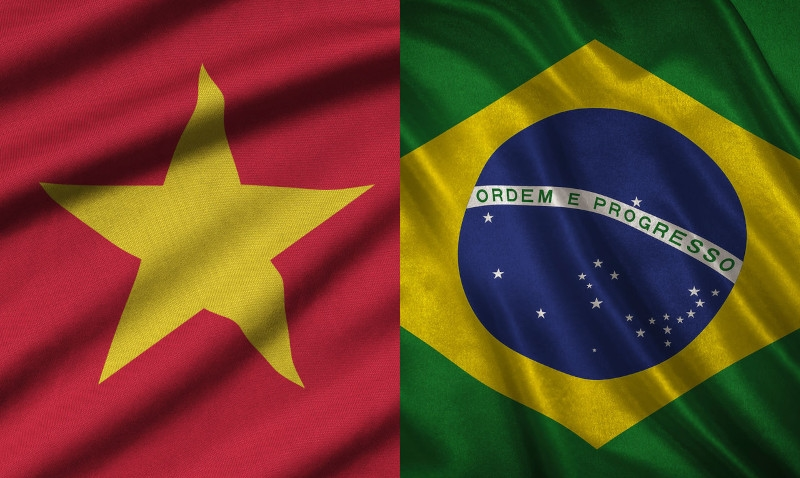

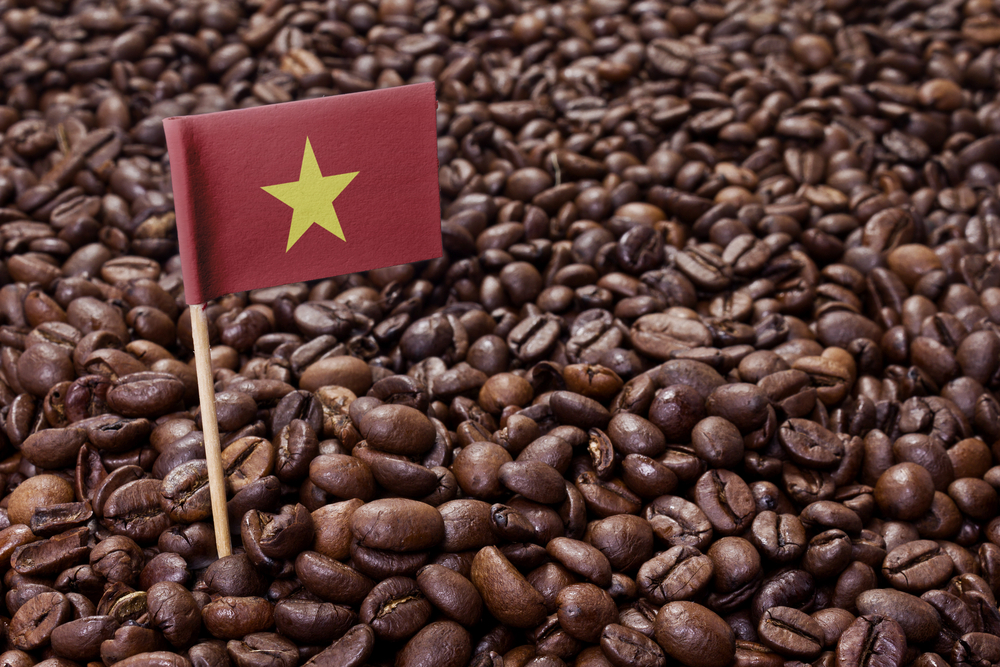
Vietnam solidifies its position as a global powerhouse in the coffee sector, achieving a historic export mark of US$6.5 billion by the close of fiscal year 2025 and projecting continued success into the first half of 2026. This unprecedented performance surpasses successive records and is driven by a structural shift towards certified cultivation practices and the accelerated modernization of the processing industry infrastructure in Southeast Asia. The Vietnamese ascent, focused on increasing added value and environmental compliance, signals new frontiers for technical and commercial cooperation with Brazil, the world’s largest coffee producer.
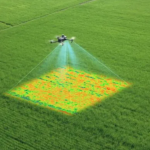
According to recent data from Vietnam’s Ministry of Agriculture and Rural Development (MARD), the country registered a 22% increase in the average price per ton of exported coffee compared to the previous period. This financial surge occurred despite a stabilization in total planting area, indicating that growth stems not from territorial expansion but from productivity gains and superior bean quality. The province of Đắk Lắk, the epicenter of national production, leads this transformation by implementing smart irrigation systems and large-scale digital monitoring.
Vietnam’s strategy to sustain these figures in 2026 is based on strict adherence to international requirements, particularly the European Union Deforestation Regulation (EUDR). The government in Hanoi, in partnership with the Vietnam Coffee and Cocoa Association (VICOFA), has established a national traceability system that guarantees the legal and sustainable origin of every exported batch. This move positions Vietnam as a reliable supplier for the most demanding markets, which increasingly prioritize the ESG (Environmental, Social, and Governance) agenda.
Industry analysts observe that Vietnam is following a trajectory of productive sophistication comparable to South Korea’s industrial development in past decades. By transitioning from being merely an exporter of raw materials to becoming a processed coffee hub (instant and roasted), the country has sustainably increased its profit margins. Within the Association of Southeast Asian Nations (ASEAN) bloc, Vietnam already holds the largest share of Robusta coffee exports, benefiting from high global demand for more resilient and full-bodied blends.
The practical impact of this rise for Brazilian businesses is multifaceted and sets precedents for “coffee diplomacy.” While Brazil dominates Arabica production, Vietnam has specialized in Robusta (conilon), creating complementarity that allows for strategic partnerships in third markets. The exchange of agricultural biotechnology and mechanized harvesting machinery emerges as one of the most promising areas for Brazilian companies looking to expand their operations in Southeast Asia.
Victor Key, president of the Brazil Vietnam Chamber of Commerce and Industry (BVC), highlights that the current scenario is conducive to technology transfer. “Vietnam’s demonstrated efficiency in managing small coffee farms offers valuable lessons, while Brazil’s experience in logistics and genetic improvement is widely sought after by producers in Đắk Nông and Gia Lai,” stated the executive. For the BVC, strengthening these economic ties is fundamental for global food security and commodity price stability.
Beyond grain exports, Vietnam is heavily investing in its own brands and coffee shop franchises that are beginning to target international markets. The trend of “premiumization” of Vietnamese Robusta coffee is altering global consumer perception, which previously viewed the bean solely as a secondary ingredient. This new market positioning requires the Brazilian productive sector to maintain strategic vigilance and, simultaneously, identify niches where cooperation can overcome direct competition.
The 2026 outlook also reveals an increase in Vietnam’s demand for Brazilian agricultural inputs, such as high-precision fertilizers and biological pesticides. The need to maintain sustainability certifications for the European market makes Vietnam a voracious buyer of “green chemistry” solutions developed in Brazil. This symbiotic commercial relationship reinforces the BVC’s role as a facilitator for companies seeking to navigate the regulatory and cultural complexities of the Vietnamese market.
At the close of this growth cycle, the future outlook points towards even greater integration of production chains. Vietnam’s success in achieving export records through sustainability serves as a model for other developing nations and confirms the importance of agricultural modernization. For the Brazilian reader, the Vietnamese “boom” should not be viewed solely as a competitive challenge but as a validation that technological innovation and environmental commitment are the only viable paths to leadership in global agribusiness in the 21st century.
The strengthening of the São Paulo-Hanoi commercial axis, mediated by the Brazil Vietnam Chamber, will continue to focus on identifying these tangible opportunities. With Vietnam consolidated as a laboratory for sustainable efficiency, the Brazilian coffee sector finds a strategic partner to set the quality and ethical standards that will govern global trade in the coming decades. The synergy between the two largest coffee powerhouses promises to redefine investment and technology flows in the Southern Hemisphere.