
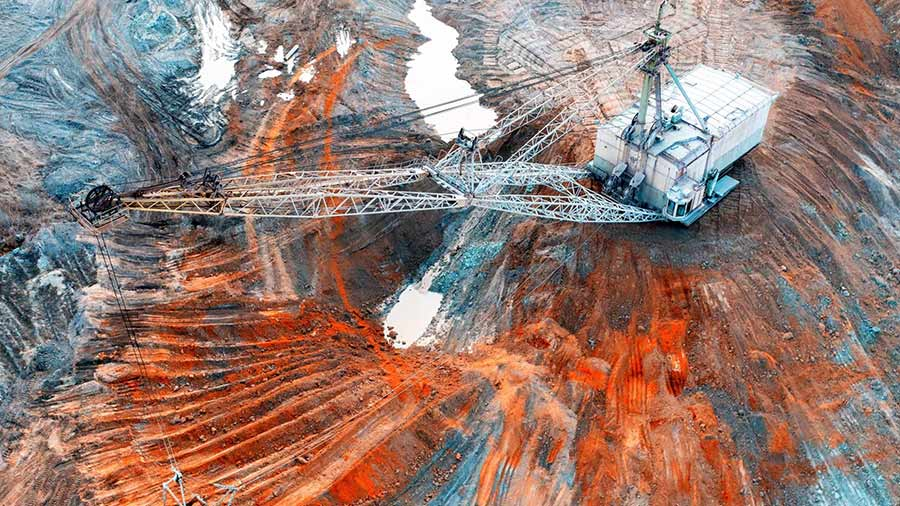
In the first half of 2026, the Vietnamese government consolidated the operational guidelines of its Master Plan for Mining, which aims to transform the country into the second-largest global supplier of rare earth elements (REE) by the end of the decade. The strategy, detailed by the Ministry of Natural Resources and Environment (MONRE), projects an annual extraction of up to 2 million tons of raw ore, focusing on production verticalization to meet the growing demand for semiconductors and green technologies. This move redefines the geopolitics of critical minerals, positioning Southeast Asia as a robust alternative to traditional supply chains and setting precedents for technological partnerships with Brazil.
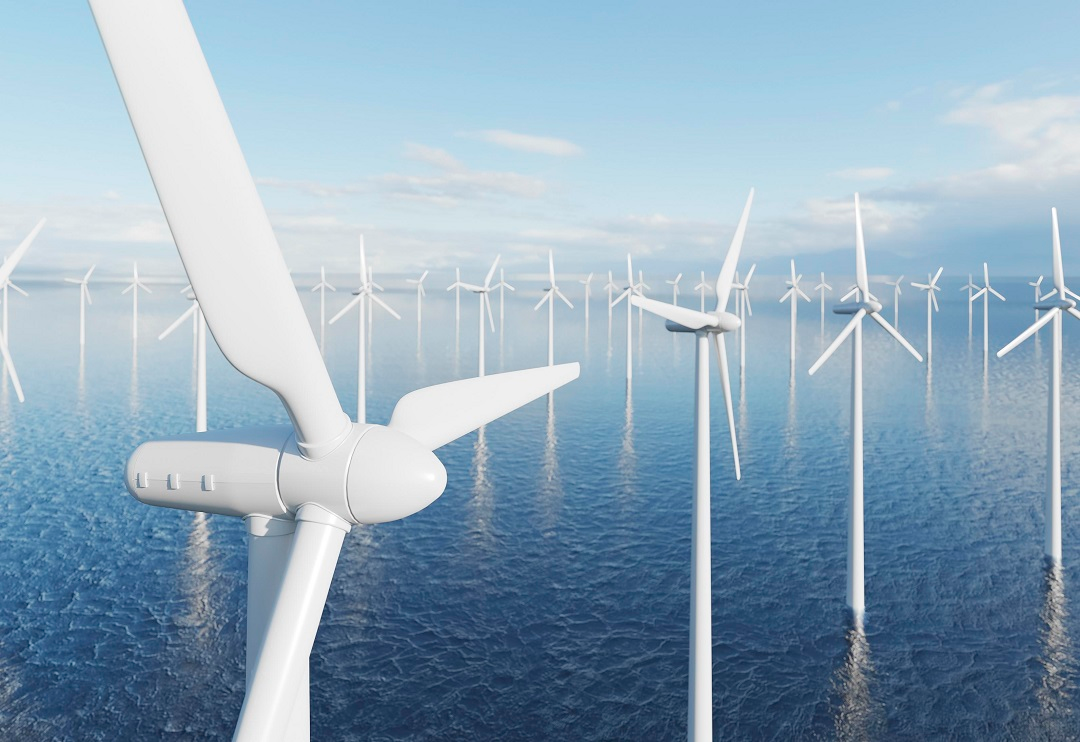
Updated data from the Vietnam General Department of Geology indicates that the country’s reserves total approximately 22 million tons, predominantly concentrated in the northwestern provinces, such as Lai Châu and Lào Cai. Government Decree No. 866/QD-TTg, which guides mineral exploration until 2030, establishes rigorous deep processing targets, requiring mining companies to achieve purity levels exceeding 99% in rare earth oxides (REO). The central objective is to cease the export of raw ore and evolve towards the production of metal alloys and permanent magnets, essential components for the electric automotive industry and wind turbines.
Vietnam’s rise in the mining sector reflects a global diversification trend driven by the “China Plus One” strategy. By investing in processing infrastructure, Vietnam seeks not only extraction but leadership in a value chain stage that demands high technological density. Estimates from Vietnam Investment Review suggest the rare earth sector could contribute up to 5% of the country’s industrial Gross Domestic Product (GDP) by 2030, provided foreign direct investment targets in hydrometallurgical processing parks are met according to the current schedule.
Historically, the development of Vietnam’s mineral sector mirrors South Korea’s transformation in the 1990s, where the transition from commodity export to high-precision manufacturing was the engine of economic growth. Within the Association of Southeast Asian Nations (ASEAN) context, Vietnam stands out for possessing the most promising geological base for the group of 17 chemical elements that constitute rare earths, surpassing neighbors like Thailand and Malaysia in terms of volume and commercial viability.
For Brazilian entrepreneurs, Vietnam’s advancement in this sector represents a practical impact on two main fronts: supply security and technical cooperation. Brazil, which also holds significant critical mineral reserves, finds in the Vietnamese model a blueprint for developing public policies for the sector. The modernization of processing plants in Vietnamese territory requires environmental mitigation technologies that are specialties of Brazilian engineering firms, creating an export market for sustainability and mining waste management services.
Victor Key, President of the Brazil Vietnam Chamber of Commerce and Industry (BVC), notes that strengthening this sector in the Asian country is a catalyst for bilateral trade. According to Key, integrating value chains between the two countries can accelerate the energy transition in Latin America, as easier access to components manufactured in Vietnam will reduce production costs for clean technologies in Brazil. The BVC acts as the institutional bridge to facilitate these dialogues, connecting Brazilian mining companies with joint exploration projects in northern Vietnam.
Compliance with ESG (Environmental, Social, and Governance) standards is another non-negotiable pillar of the new Vietnamese strategy. The government mandates that new mining projects utilize in-situ leaching extraction methods that minimize surface impact and ensure the rehabilitation of degraded areas. This requirement aligns Vietnam with more demanding consumer markets, such as the European Union, and enhances the competitiveness of Vietnamese products against markets with more permissive environmental regulations, ensuring the longevity of invested capital.
Future prospects indicate that Vietnam will transition from merely holding reserves to becoming a mineral innovation hub. The country has already begun constructing rare earth technology research centers in Hanoi, seeking autonomy in the separation of light and heavy elements. For Brazil’s business ecosystem, closely monitoring this evolution is strategic, as the price stability and availability of these inputs will dictate the pace of Brazilian reindustrialization in the coming years.
In summary, Vietnam’s 2026 rare earth strategy solidifies the country as an indispensable player in the low-carbon economy. The connection between the Brazil Vietnam Chamber of Commerce and Industry and Asian production centers strengthens Brazil’s position as a priority partner, ensuring that national businesses are at the forefront of this global technological transition. The success of this bilateral cooperation will depend on the ability of both nations to align commercial interests with the rigorous sustainability standards demanded by the new global mineral market.