In the first half of 2026, the Vietnamese government officially implemented a strategic reduction of phytosanitary barriers for specific cuts of Brazilian pork. This move aims to balance domestic supply with the growing demand for animal protein in the country. The measure, which has been lauded by export associations and endorsed by Hanoi’s sanitary authorities, presents an unprecedented window of opportunity for Brazilian agribusiness in one of the most dynamic markets of the Association of Southeast Asian Nations (ASEAN). This development solidifies Brazil’s position as a priority partner for Vietnamese food security amidst a reconfiguration of global supply chains.
According to recent data published by the official VietnamPlus portal, per capita pork consumption in Vietnam reached 33 kilograms per year in 2026, driven by rapid urbanization and the expansion of the middle class. Although Vietnamese domestic production has recovered from previous outbreaks of African Swine Fever (ASF), Hanoi’s Ministry of Agriculture and Rural Development (MARD) projects that national demand will exceed supply capacity by approximately 12% by the end of the 2026-2027 biennium. This production gap makes the import of high-value-added cuts, such as loin and ribs, essential for stabilizing consumer prices.
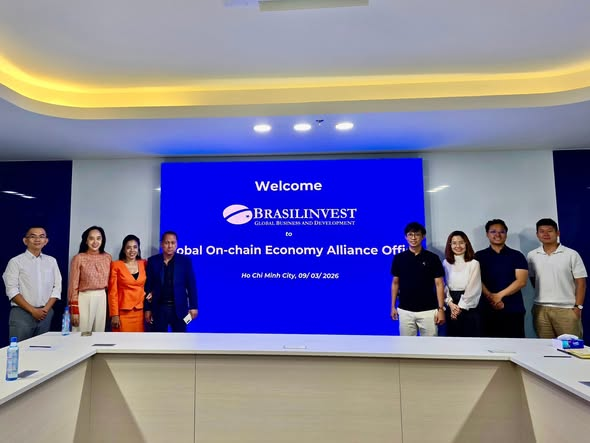
The Brazil Vietnam Chamber of Commerce and Industry (BVC) is closely monitoring this transition, acting as a facilitator in the dialogue between Brazilian exporters and Asian distributors. According to Victor Key, BVC president based in São Paulo, the new regulatory landscape benefits not only export volume but also the diversification of products entering the Asian market. For the institution, Vietnam’s regulatory flexibility reflects recognition of Brazil’s stringent sanitary status, especially after the country advanced in certifying foot-and-mouth disease-free zones without vaccination in key states for hog farming.
Comparatively, Vietnam emulates the behavior of mature East Asian markets like South Korea and Japan, where food security is treated as a long-term state policy. While the Vietnamese market primarily focused on meat for industrial processing in the early 2020s, a clear trend of “premiumization” is evident in 2026. Consumers in urban centers like Ho Chi Minh City and Hanoi are now seeking products with guaranteed traceability and sustainability certifications, areas where Brazilian meatpackers have invested heavily to maintain competitiveness against rivals from the European Union and the United States.
Statistically, the trade balance between the two nations reflects this synergy. Projections from the Secretariat of Foreign Trade (SECEX) indicate that Brazilian pork protein exports to Vietnam are expected to grow by 18% in volume by the end of this fiscal year. This growth is supported not only by tariff reductions but also by the logistical efficiency of new port terminals in Brazil’s Northern Arc, which have reduced transit times to the ports of Hai Phong and Da Nang. The practical impact for Brazilian businesses is the ability to plan long-term contracts, mitigating commodity price volatility.
The BVC’s technical analysis points out that sustainable success in Vietnam requires more than just price competitiveness; it demands institutional presence and cultural adaptation. The Vietnamese market is undergoing a transition from traditional wet markets to modern retail and food e-commerce. This structural shift favors Brazilian meat packaged at the origin, offering the convenience and hygiene standards required by major supermarket chains operating in Southeast Asia.
For the near future, the prospect is that bilateral protein trade will serve as an anchor for broader negotiations, potentially accelerating discussions for a free trade agreement between Mercosur and Vietnam. The integration of production chains shows that Brazil is not merely a raw material supplier but a vital component of Vietnamese inflationary stability. By ensuring the supply of quality protein, Brazil strengthens its diplomatic and commercial position in a region that is the engine of global growth this decade.
In this context, the BVC reaffirms its mission to connect Brazilian production hubs with the specific demands of the Vietnamese market. Brazil’s angle in this partnership is absolute complementarity: while Vietnam focuses its arable land on high-export-value crops like coffee and pepper, Brazil utilizes its vast territory and agricultural technology to provide the necessary protein base for the nation’s development. The strengthening of these ties in 2026 is the result of technical, non-partisan commercial diplomacy focused on lasting mutual benefits.