

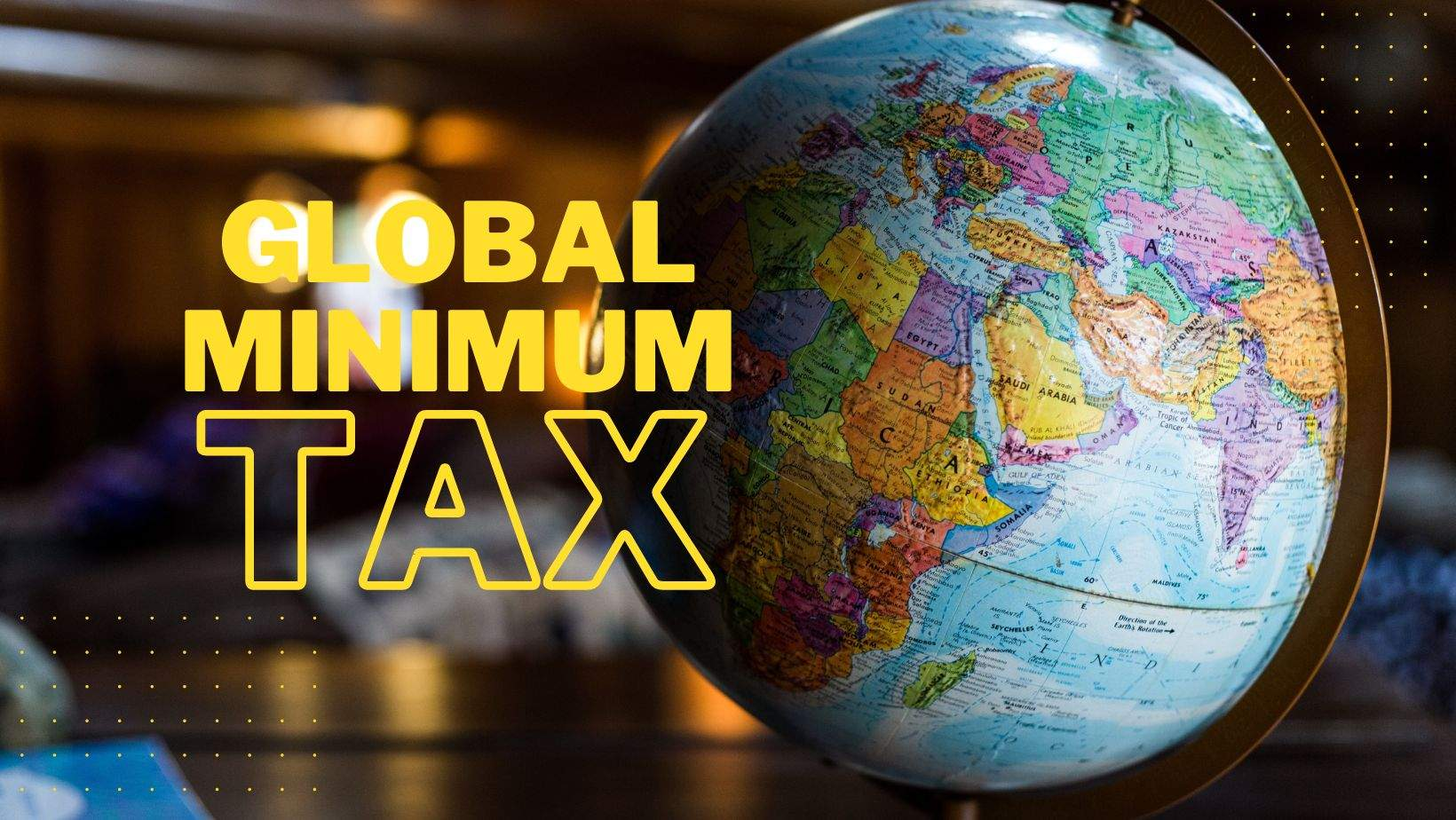
In the first half of 2026, the Vietnamese government has consolidated the restructuring of its Foreign Direct Investment (FDI) incentive framework to counteract the effects of the global minimum tax (GMT) implementation. Coordinated by the Ministry of Planning and Investment (MPI), the country has replaced its old model of extended tax exemptions with a system of direct subsidies and financial credits focused on high technology and sustainability. This measure aims to ensure Vietnam maintains its position as Southeast Asia’s premier advanced manufacturing hub, even under the guidelines of the OECD’s Pillar Two, which sets a minimum tax rate of 15% for multinational corporations.
The transition to this new tax paradigm reflects the economic maturity Vietnam has achieved in recent years. According to official data from VietnamPlus, FDI inflows into the country surpassed the $42 billion mark in 2025, with growth projections of 8.5% for the close of 2026. Previously, Vietnam’s competitiveness was based on “tax holidays” that reduced the effective tax rate to as low as 5% in strategic sectors. With the reform, the government has established the Investment Support Fund, which compensates for the increased nominal tax burden through reimbursements for Research and Development (R&D) costs, green infrastructure, and skilled workforce training.
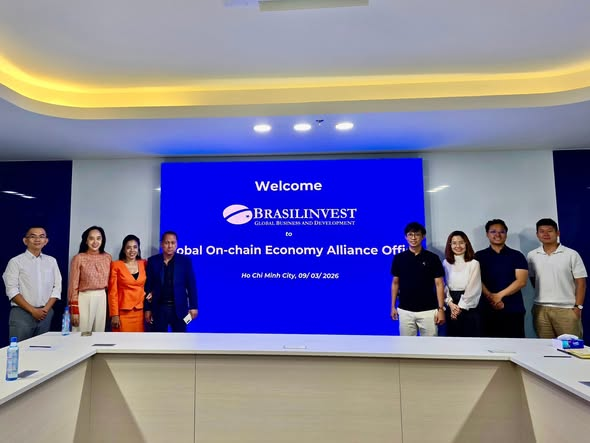
This strategic shift is being closely monitored by the Brazil-Vietnam Chamber of Commerce and Industry (BVC), which sees the new model as an opportunity for greater predictability for Brazilian capital. Victor Key, President of the BVC, highlights that Vietnam’s adaptation to global rules eliminates legal uncertainties that could arise from retroactive charges on foreign soil. For Brazilian entrepreneurs, the focus shifts from merely reducing tax costs to operational efficiency and access to a technologically dense industrial ecosystem, particularly in the industrial parks of Bac Ninh and Hai Phong.
Historically, Vietnam has demonstrated superior adaptability compared to its peers in the Association of Southeast Asian Nations (ASEAN). While regional neighbors are still debating the technical implementation of the GMT, Hanoi is already operating with tax credit mechanisms for the semiconductor and renewable energy sectors. This move is reminiscent of the transition South Korea underwent in the 1990s, when it migrated from a low labor cost-based economy to global leadership in innovation and value-added production. In the current context, Vietnam is using the minimum tax not as an obstacle, but as a catalyst to filter in higher quality, lower environmental impact investments.
Data from the Vietnam Investment Review indicates that in 2026, manufacturing and processing industries continue to capture 65% of total foreign investments. However, the key difference lies in the nature of these inflows: the focus has shifted from simple assembly to component design and development. New subsidy policies allow companies investing in “zero-emission” technologies to receive incentives that can cover up to 30% of initial fixed costs. This directive aligns Vietnam with the ESG (Environmental, Social, and Governance) standards required by major pension funds and global institutional investors.
For the Brazilian productive sector, especially in agro-technology, agricultural machinery, and industrial components, the new Vietnamese landscape demands a review of market entry strategies. Expansion planning must now prioritize partnerships involving technology transfer or the implementation of sustainable production processes. The BVC notes that Vietnam is no longer solely seeking capital volume but the integration of production chains that strengthen the country’s technological sovereignty. Brazilian investors who align their projects with the criteria of the Investment Support Fund will benefit from easier licensing and facilitated access to state-of-the-art logistics infrastructure.
The implementation of the global minimum tax has also spurred Vietnam to accelerate reforms in its digital and bureaucratic infrastructure. The Vietnamese government projects that the surplus revenue generated by the new 15% tax rate will be fully reinvested in modernizing ports and ensuring the stability of the electrical grid, critical points for high-precision industries. According to Vietnam News, public investment in logistics infrastructure is expected to grow by 12% annually until 2030, reducing the cost of moving goods to neighboring markets and the West.
The outlook for the future of bilateral relations points to more sophisticated and resilient trade. The Brazilian angle in this transformation is strategic: as Vietnam becomes a more regulated market aligned with OECD standards, country risk diminishes, attracting companies that previously feared the volatility of discretionary tax incentives. The Brazil-Vietnam Chamber of Commerce and Industry reaffirms its commitment to acting as a technical bridge in this new scenario, assisting investors in navigating new government financial support tenders.
In summary, Vietnam has transformed the challenge of global taxation into a long-term competitive advantage. By exchanging tax waivers for direct investment in human capital and technology, the country signals to the global market that it is ready for the next stage of industrial development. For Brazil, understanding and integrating into this new model is not merely a market choice, but a necessity for any corporation aiming to maintain relevance in the global supply chains of the coming decade. The maturity of relations between the two nations now reflects a synergy grounded in transparency, efficiency, and shared sustainable growth.