The relationship between Brazil and Vietnam has intensified in recent years, driven by the expansion of bilateral trade, industrial opportunities, and the growing interest of Brazilian entrepreneurs in understanding one of Asia’s most dynamic markets.
It was in this context that economist and businessman Alberto Cruz, partner at EQA Gestão de Negócios Nacionais e Internacionais and member of the Brazil Vietnam Chamber, recently participated in a trip to Vietnam. The experience provided practical insight into Vietnam’s current economic landscape, its business culture, and its expanding business environment.
A Country Transformed After the War
Reflecting on his visit, Alberto highlights that understanding Vietnam also means understanding its remarkable historical journey. This year, the country celebrated 50 years since its reunification, marking the end of a war that caused profound social, economic, and infrastructural damage.
According to him, what stands out most is the speed of the country’s recovery and development over recent decades.
“After being almost completely devastated by the war, Vietnam managed, within approximately 30 years, to significantly expand its main economic sectors, especially agriculture, industry, construction, and mining.”
With economic growth projected above 8% for 2026, according to IMF forecasts, Vietnam has established itself as one of the most active economies in Southeast Asia. The country’s nominal GDP reached approximately US$ 508 billion in 2025, mainly driven by services, industry, and construction.
In addition, Vietnam has strengthened its regional relevance, surpassing neighboring economies in growth and export volume, reinforcing its strategic position within ASEAN.
Expanding Trade Relations with Brazil
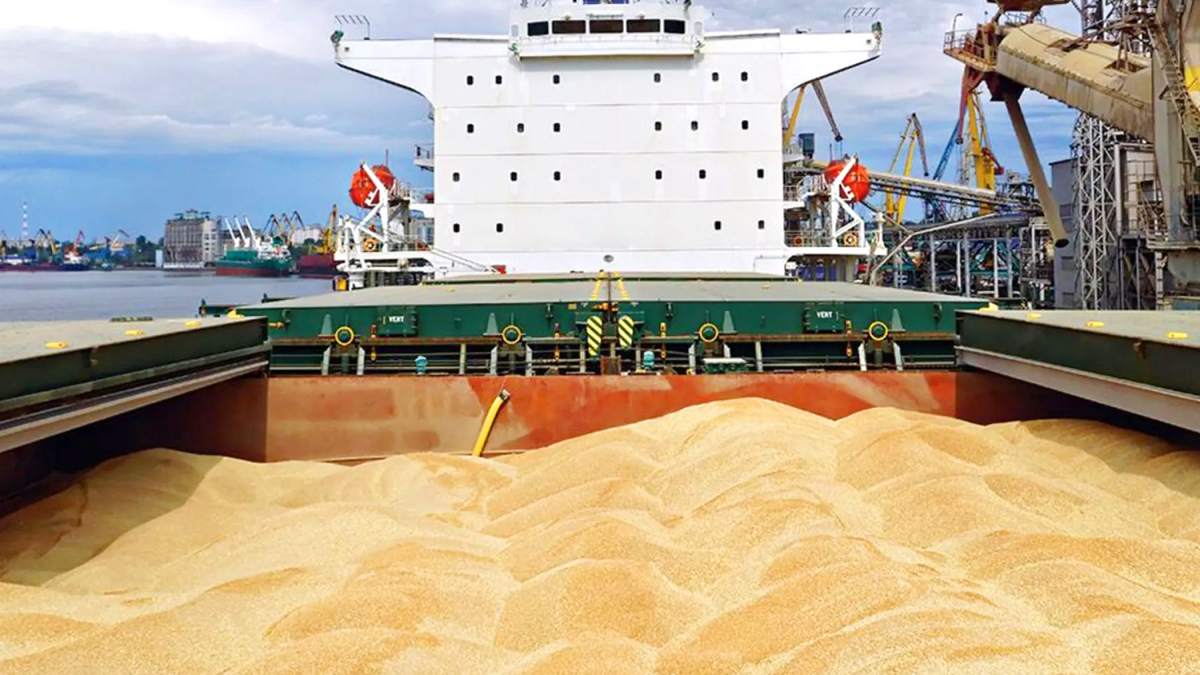
The relationship between Brazil and Vietnam is also experiencing a strong expansion phase. The governments of both countries aim to significantly increase bilateral trade in the coming years, potentially reaching US$ 15 billion by 2030, with the possibility of growing to US$ 20 billion.
For Alberto Cruz, this movement is positive for both sides.
“There will certainly also be opportunities for Vietnamese products to enter the Brazilian market, especially considering the principle of reciprocity in international trade relations.”
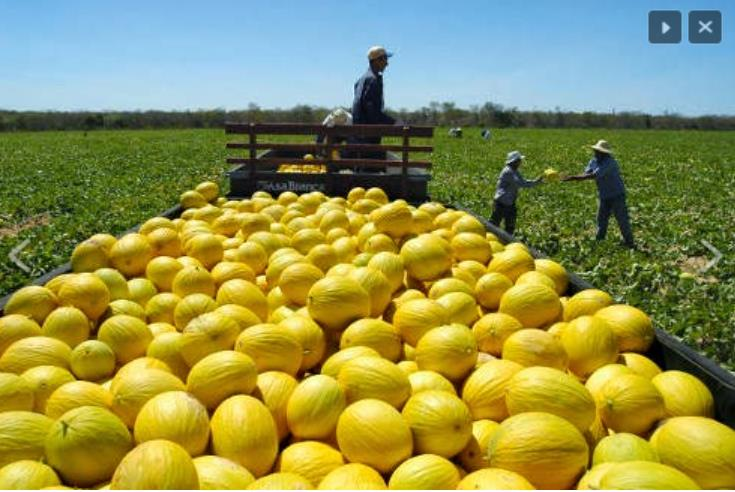
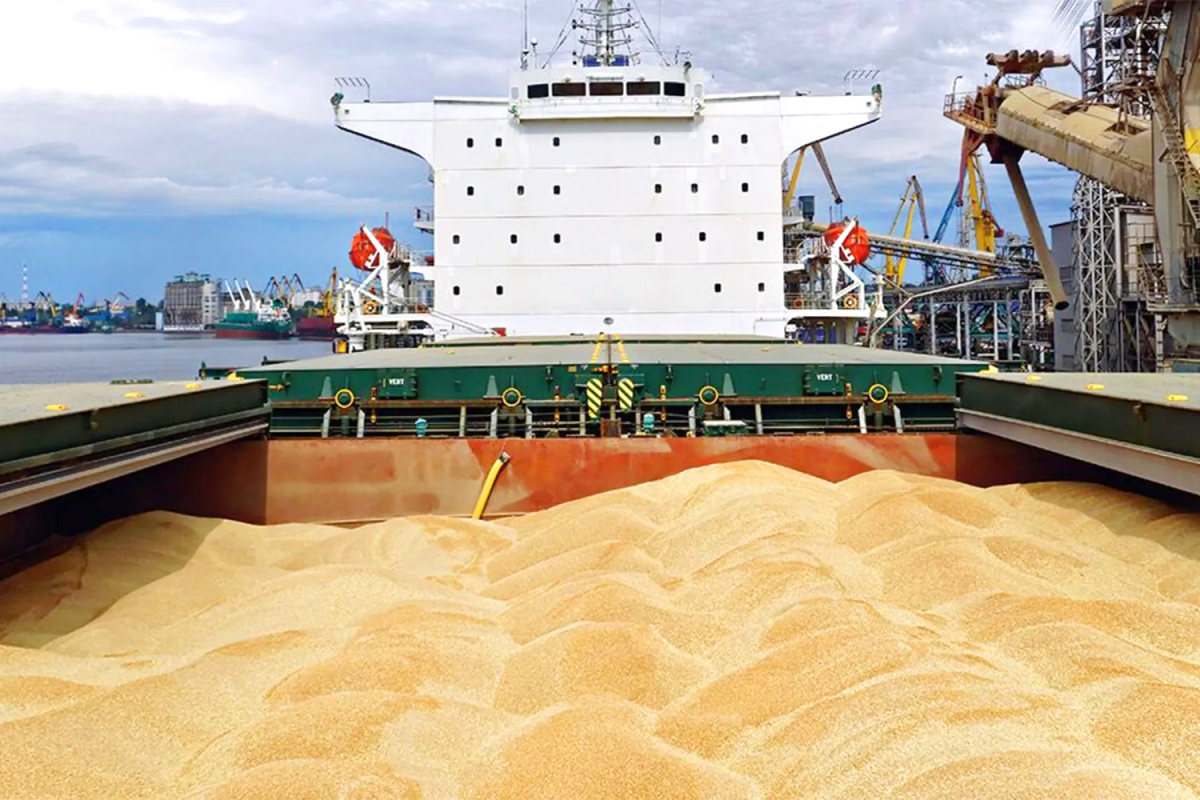
He also highlights Vietnam’s strength in agricultural and industrial sectors. The country is currently one of the world’s largest producers of coffee, rice, and cashew nuts, while also developing an increasingly sophisticated manufacturing industry integrated into global supply chains.
Industrial Visits and Vietnamese Business Vision
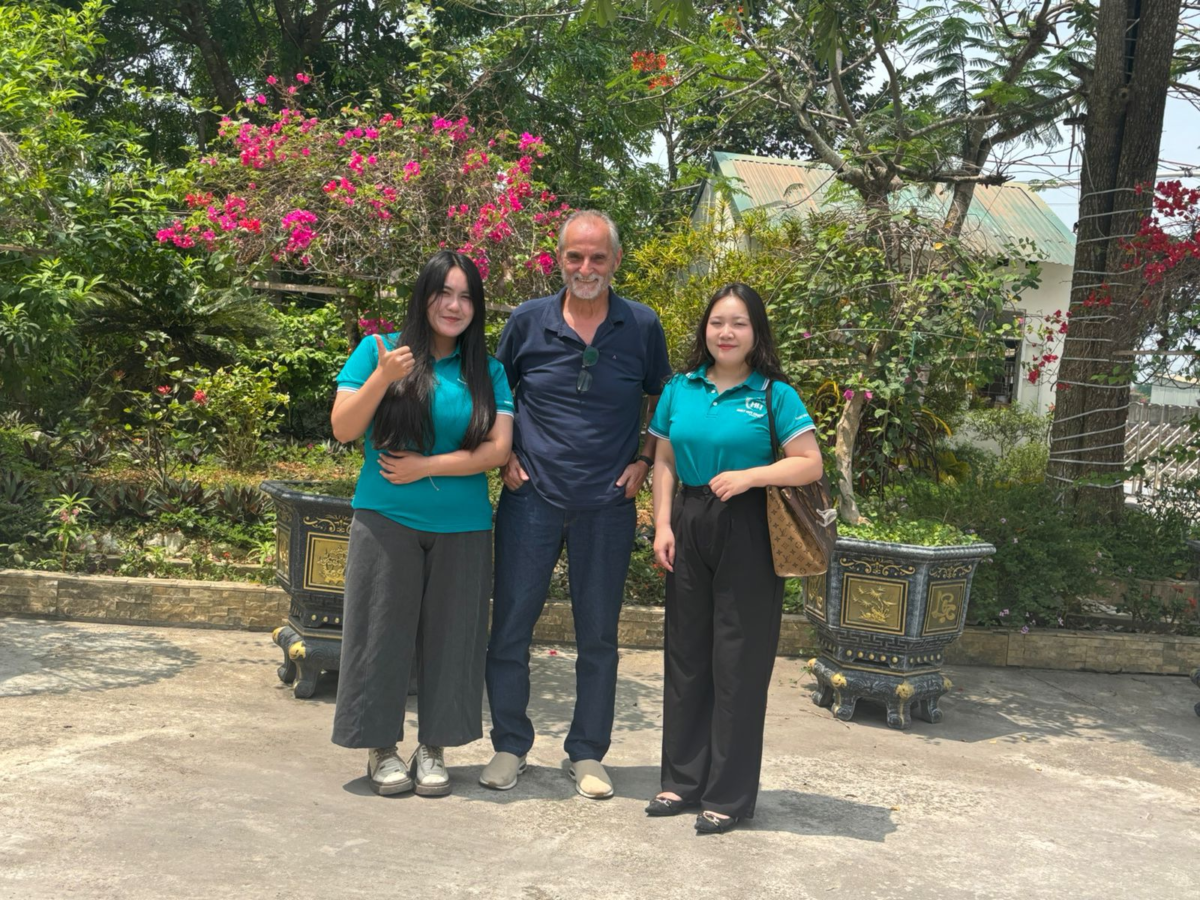
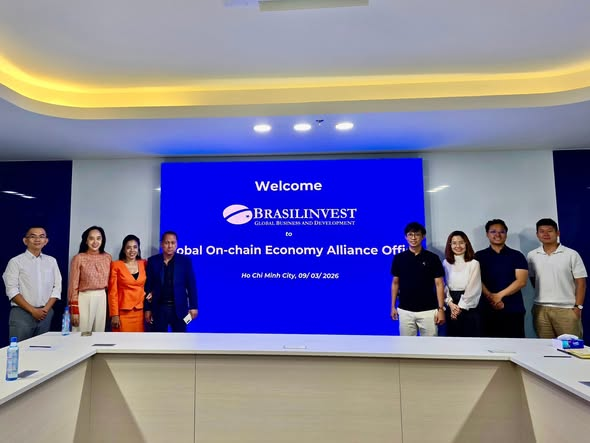
During his time in Vietnam, Alberto participated in technical visits and business meetings organized with the support of members of the Brazil Vietnam Chamber residing in the country.
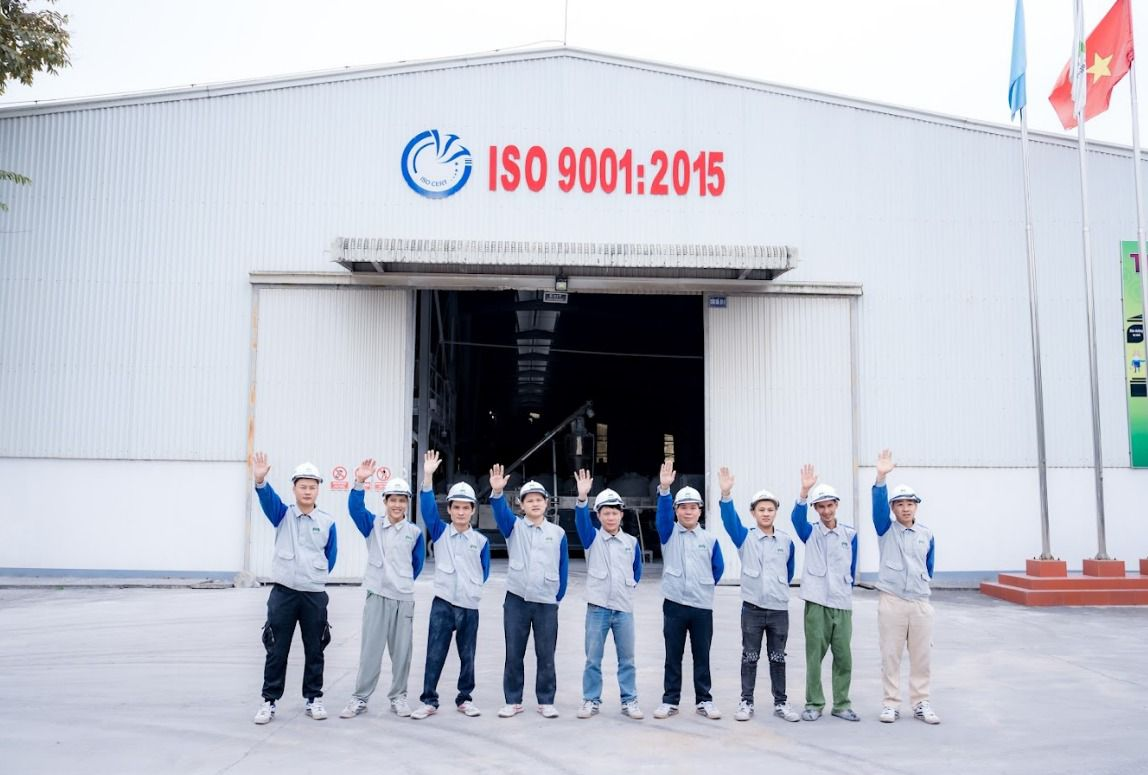
One of the visits was to NHAT HUY GROUP, an industrial conglomerate headquartered in Hanoi that currently operates eight factories and employs more than 1,500 people directly. The group operates in sectors such as marble, quartz, limestone, masterbatch, and other industrial products exported to markets across all five continents, including Brazil.
Within the group, Alberto visited Mega Plast, a company specialized in the production of CaCO3 and Color Masterbatch, essential materials used in the production of PP and PE.
“I have always enjoyed visiting companies and understanding their production methods, from the arrival of raw materials to the final product. It was an extremely enriching experience.”
According to him, the visit provided insight not only into industrial processes, but also into the Vietnamese business mindset, characterized by expansion, efficiency, and internationalization.
A New Entrepreneurial Generation
Another aspect that drew his attention was the profile of Vietnamese entrepreneurs and professionals.
“Most of the entrepreneurs and managers I met belong to the post-war generation. Many are under 40 years old, and most of their teams are composed of professionals under 30.”
For Alberto, this demonstrates how government investments over recent decades encouraged entrepreneurship and helped build a highly active new generation in the economy.
The result is a dynamic, competitive, and innovation-driven business environment that is also open to foreign investment.
Economic Growth and Social Development
Despite its strong economic growth, Alberto notes that Vietnam is also seeking to balance development with improvements in quality of life for its population.
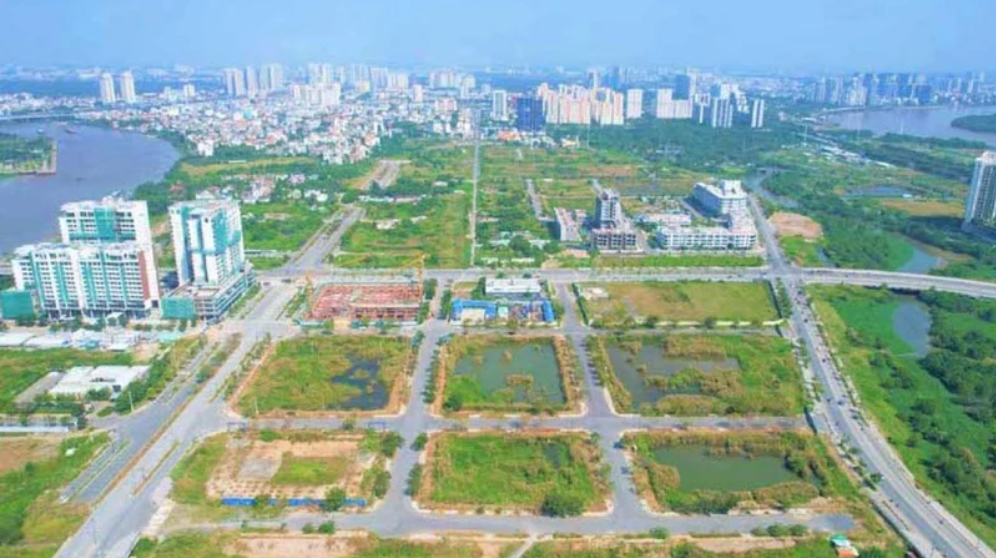
According to him, it is possible to observe efforts related to income distribution, infrastructure development, and economic stability. One of the aspects he noticed while traveling through the country was the intensive agricultural use of rural areas.
“There are no empty spaces along the highways. Everything is occupied by rice fields, coffee plantations, and fruit crops.”
He also mentions the effects of the post-war land reform and the country’s stable inflation rate, currently around 3% per year.
Beyond business opportunities, Alberto emphasizes the hospitality of the Vietnamese people.
“Vietnam has beautiful places to visit and a population that is extremely welcoming and respectful toward visitors. This becomes evident from the very first interactions.”
Vietnam Business Mission 2026
Given the expansion of trade relations and the opportunities identified in the country, the next edition of the Vietnam Business Mission 2026 has already been scheduled. The initiative aims to strengthen business connections between Brazilian and Vietnamese companies.
The mission will take place from September 1 to 9, 2026, in Ho Chi Minh City, focusing on the promotion of Brazilian products, business development, and engagement with potential Vietnamese buyers.
More information is available at: Vietnam Business Mission 2026