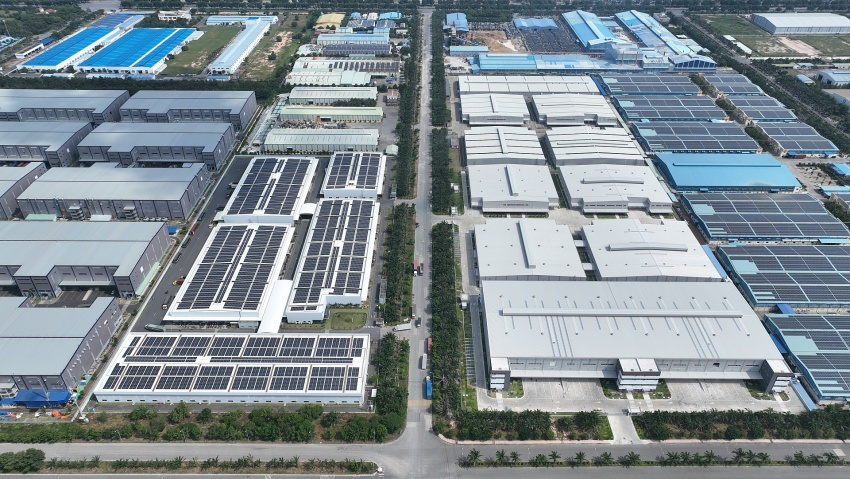

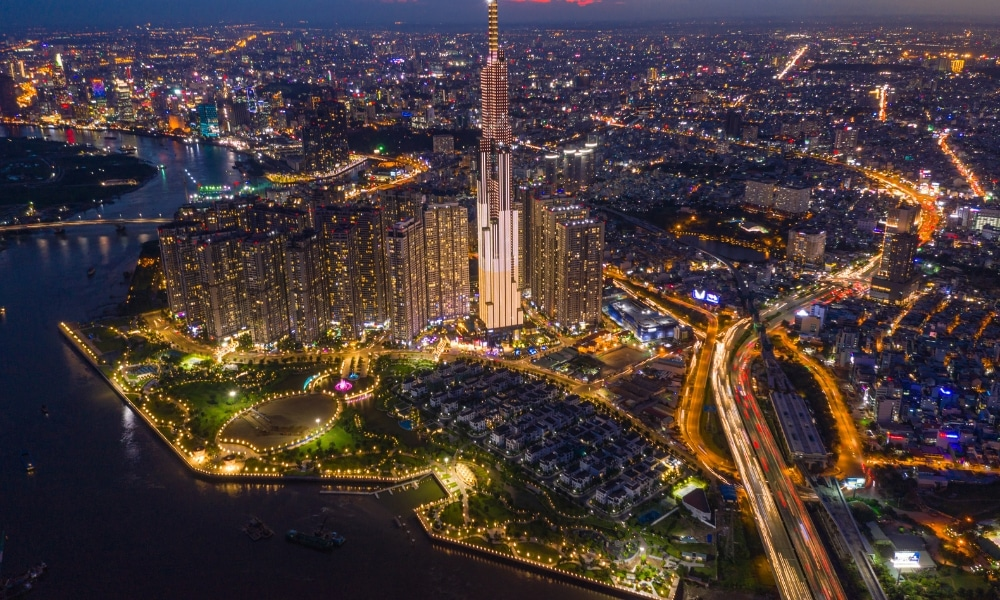
Vietnam’s manufacturing sector recorded a consolidated 28% growth in Foreign Direct Investment (FDI) inflows during the first half of 2026, driven by the transition to high-tech and clean energy industries. According to preliminary data from the Ministry of Planning and Investment (MPI) and released by the VietnamPlus portal, the flow of international capital directed to new factories and industrial plant expansions reaffirms the country’s position as the most dynamic manufacturing hub in the Association of Southeast Asian Nations (ASEAN). For the Brazil Vietnam Chamber of Commerce (BVC), this scenario offers a strategic window of opportunity for Brazilian companies seeking to diversify supply chains and access the Asian market through production partnerships.
This surge in investment is a direct result of state policy focused on logistics infrastructure and the modernization of the manufacturing base. Unlike the previous decade, when Vietnam primarily attracted capital for low-value-added industries such as textiles and footwear, the 2026 cycle is dominated by semiconductors, advanced electronic components, and telecommunications equipment. Reports from Vietnam Investment Review (VIR) indicate that the average capitalization per project rose 15% compared to the previous year, signaling that global investors, mainly from South Korea, Japan, and Singapore, are committing resources to long-term, high-technical-complexity plants.
The BVC’s technical analysis highlights that Vietnam’s performance parallels the industrial transformation observed in South Korea in the late 20th century, but with the competitive advantage of an unprecedented network of Free Trade Agreements (FTAs). The country is a signatory to mechanisms such as the CPTPP (Comprehensive and Progressive Agreement for Trans-Pacific Partnership) and the EVFTA (EU-Vietnam Free Trade Agreement), allowing products manufactured in Vietnam to access major global markets with reduced or zero tariffs. For Brazilian entrepreneurs, Vietnam is no longer just a supplier but a “relocation” partner (nearshoring or friendshoring), where Brazilian components can be integrated into final products distributed across Asia.
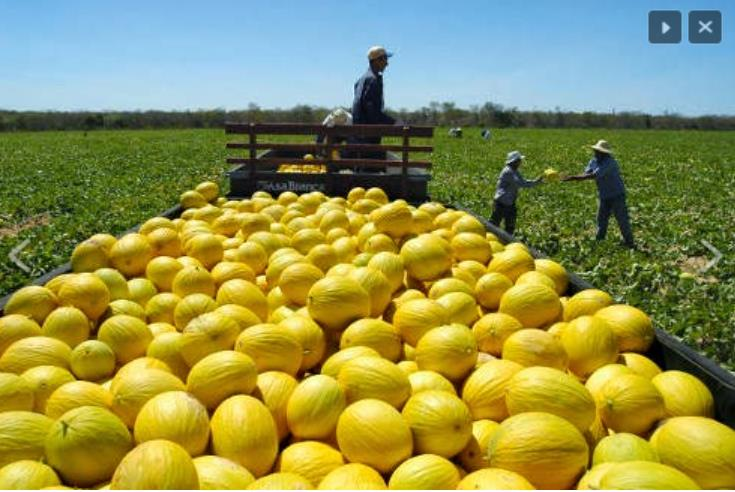
In terms of trends, the practical impact for the Brazilian private sector is immediate in the export of capital goods and specialized services. With 28% growth in manufacturing, Vietnam demands precision agricultural machinery, industrial automation technology, and sustainable engineering consulting – areas where Brazil has recognized expertise. Victor Key, President of the BVC in São Paulo, emphasizes that the institution’s mission is precisely to facilitate this bridge, ensuring that national companies understand local regulations and identify the most suitable industrial districts for each business profile, from the economic zones of Hai Phong to the technological hubs of Da Nang.
A regional comparison reinforces Vietnam’s advantage: while other neighboring economies face cost saturation or demographic instabilities, Vietnam has invested massively in workforce qualification to meet the demands of Industry 4.0. In 2026, the Vietnamese government achieved its goal of modernizing ten deep-water ports and inaugurating new terminals at Long Thanh International Airport, drastically reducing the logistics cost per unit produced. This environment of operational efficiency acts as a magnet for foreign capital seeking legal certainty and economic predictability in a global context of volatility.
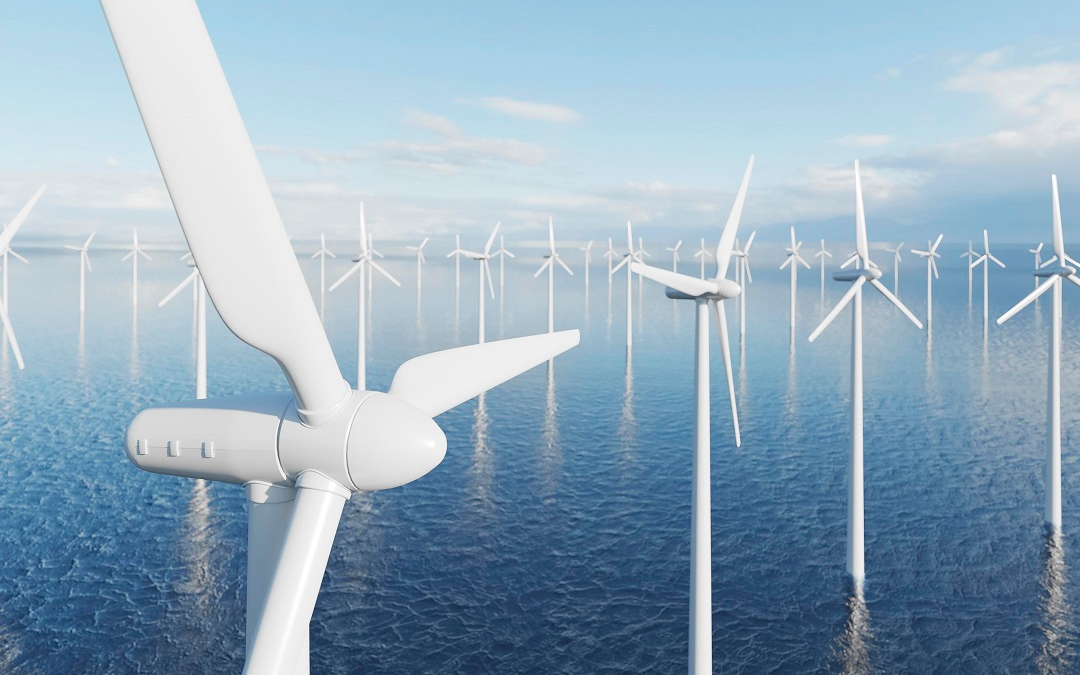
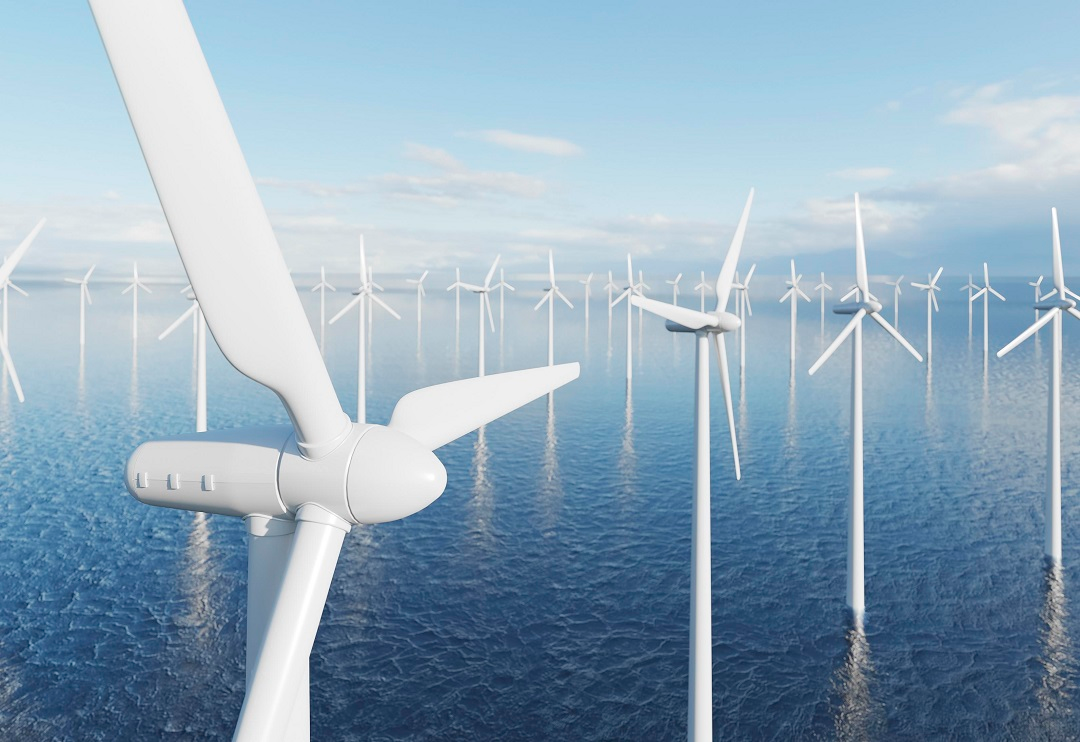
Beyond the electronics sector, FDI has been migrating to green manufacturing. Vietnam has set stringent industrial decarbonization targets, paving the way for investments in factories that utilize solar and wind energy. For Brazil, a leader in renewable energy matrix, this movement opens avenues for technical cooperation and supply of inputs for the low-carbon economy. The Brazil Vietnam Chamber monitors this flow as an indicator that Vietnamese competitiveness is now tied to sustainability, a fundamental requirement for Brazilian companies operating under environmental and social governance guidelines.
The future outlook for the 2026-2027 biennium points to the maintenance of this growth pace, especially with the implementation of tax incentives for Research and Development (R&D) centers. The BVC projects that the strengthening of bilateral economic ties will result in an increase in the volume of business prospecting missions. The objective is to transform Vietnam’s record FDI flow into an engine for the internationalization of Brazilian brands, either through the export of essential raw materials for Asian industry or the establishment of operational bases using the Vietnamese logistics platform to reach the global consumer market.
The conclusion of this growth cycle solidifies Vietnam not only as a production “alternative” but as an indispensable destination for any robust international expansion strategy. The Brazilian angle should focus on complementarity: Brazil provides the technological base and inputs, while Vietnam offers the advanced manufacturing platform and facilitated access to Pacific markets. The Brazil Vietnam Chamber of Commerce remains the official support channel to translate this potential into solid bilateral contracts, ensuring that national entrepreneurs actively participate in one of the most consistent economic growths of the 2020s.