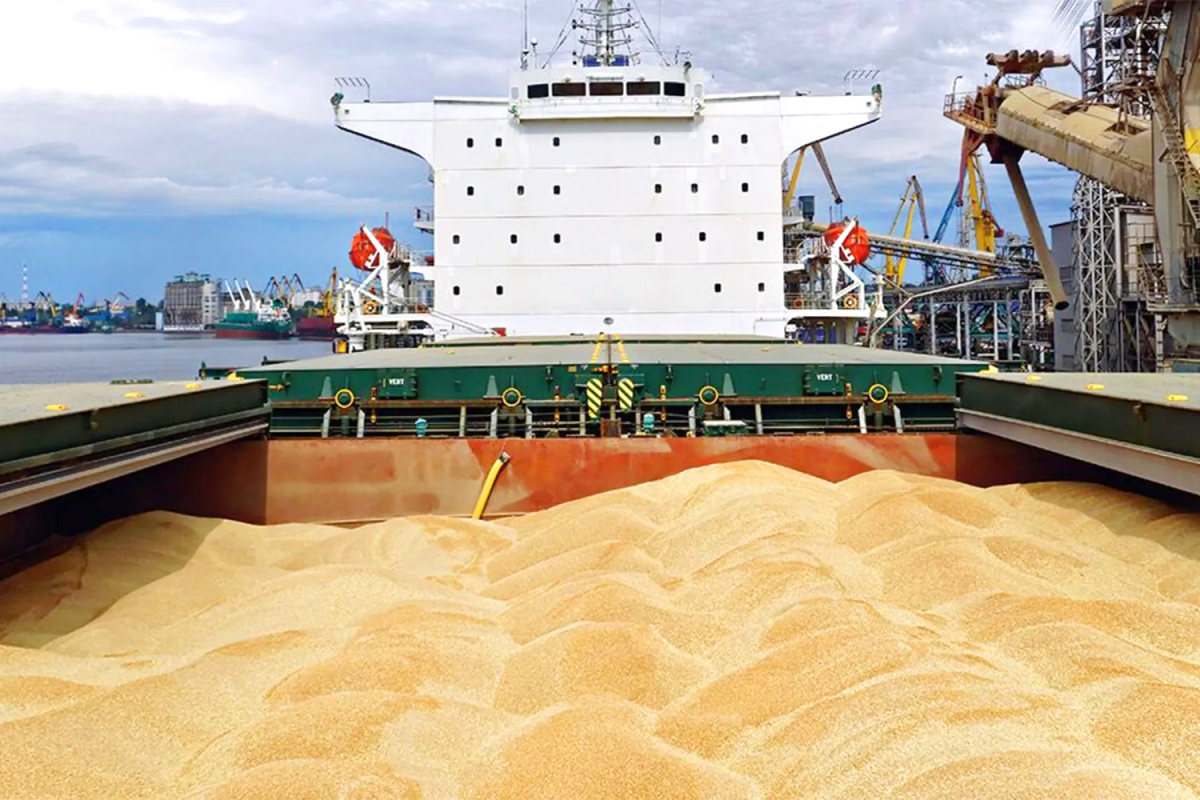



The Vietnamese government has formalized the completion of expansion plans for new deep-water port terminals, aiming for a drastic reduction in bulk cargo storage and handling costs by the end of 2026. This initiative, coordinated by the country’s Ministry of Transport, directly impacts the competitiveness of Brazilian grain exports, which utilize Vietnamese infrastructure as a strategic entrepôt for Southeast Asia. The measure is part of the Master Plan for Port System Development for the 2021-2030 period, consolidating Vietnam’s position as the primary logistics hub for the Association of Southeast Asian Nations (ASEAN).
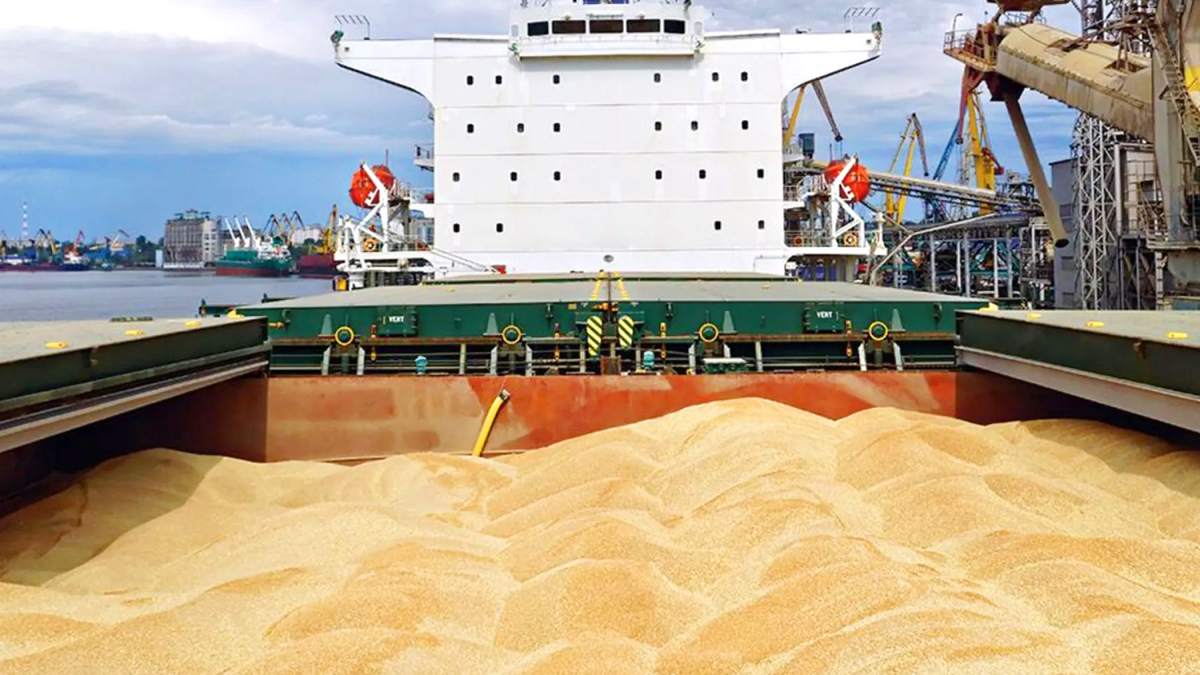
According to data released by the official VietnamPlus portal, the new terminals at the Lạch Huyện complex (in Haiphong, north) and Cái Mép-Thị Vải (in the south) have received investments exceeding US$1.5 billion in automation technologies and high-capacity silos. For Brazilian exporters, the impact is measurable: a projected 15% drop in operational logistics costs for soybean and corn imports is anticipated. Historically, Vietnam’s logistics costs consumed approximately 18% of its Gross Domestic Product (GDP), but government targets for 2026 aim to reduce this to 12%, bringing it closer to global efficiency standards.
The modernization of these terminals resolves a historical draft bottleneck, allowing Post-Panamax class vessels with capacities exceeding 150,000 tons to dock fully loaded. Previously, many vessels originating from the ports of Santos (SP) and Paranaguá (PR) had to transship cargo at intermediate hubs like Singapore, increasing the final price of grain bags and extending transit times by up to ten days. With the full operation of new free trade zones adjacent to the ports, customs processing has been digitized, reducing the clearance time for agricultural cargo from four days to just a few hours.
Victor Key, President of the Brazil Vietnam Chamber of Commerce (BVC), based in São Paulo, views this move as a signal of unprecedented logistical maturity in Southeast Asia. “Vietnam’s port expansion is not just a civil engineering feat, but a reconfiguration of global trade routes,” Key stated. He emphasized that the BVC’s mission is to ensure that Brazilian businesses understand Vietnam has transitioned from merely a final destination market to a commodity redistribution platform for the rest of Asia, including hard-to-reach markets in inland China and Cambodia.
Vietnam’s trend of infrastructure verticalization mirrors the development observed in South Korea during the 1990s, when massive investments in specialized terminals in Busan transformed the Korean economy. Vietnam is replicating this model, focusing on the integration of ports and railways. According to the Vietnam Investment Review, the project includes the construction of rail spurs connecting the new terminals to the industrial zones of Bắc Ninh and Đồng Nai, facilitating the flow of soybean meal to Vietnam’s robust animal protein industry, one of the fastest-growing globally.
The Brazilian grain market, which had already set export records to Hanoi and Ho Chi Minh in 2025, now faces a scenario of lower price volatility for stored goods. During the Tết holiday period (Vietnamese Lunar New Year), when trade traditionally slows, the terminals’ new cold and dry storage capacity ensures that Brazilian import flows remain uninterrupted, guaranteeing a consistent supply for the Vietnamese domestic market without incurring extraordinary demurrage fees for containers and vessels.
For Brazilian businesses, the new landscape necessitates a review of pricing and distribution strategies. The increased efficiency at Vietnamese ports allows for greater predictability of margins in long-term contracts. Experts point out that the decentralization of ports—with investments not only in the south but also in the central region, in Da Nang—creates a capillary network that benefits Brazil’s agribusiness, currently a leader in supplying corn and cotton to the Asian country’s textile and feed industries.
In regional comparative terms, Vietnam now surpasses competitors like Thailand and Indonesia in solid bulk handling port infrastructure. While ASEAN neighbors grapple with congestion in saturated ports, Vietnam has anticipated global food demand by expanding its installed capacity even before the projected export peak in the latter half of the decade. This state planning, coupled with macroeconomic stability, positions the country advantageously to attract international trading companies seeking to mitigate logistical risks.
The outlook for the 2026-2027 biennium is one of consolidation for this bilateral partnership. As Vietnam strengthens its logistical base, it opens avenues for Brazil to diversify its export portfolio beyond raw commodities, including processed and higher value-added products, which now benefit from an agile and low-cost distribution network. The Brazil Vietnam Chamber reiterates that the time is opportune for strategic occupation of these new spaces, leveraging the logistical “red carpet” extended by the Vietnamese government to South American partners.
The strengthening of this infrastructure is the final link for bilateral trade to surpass new multi-billion dollar milestones. With reduced port costs, Brazilian products become more competitive on the Vietnamese consumer’s plate and in processing factories. For Brazil, Vietnam is transitioning from a distant market to becoming a secure port for national production on Asian soil, ensuring that the efficiency of Brazilian agriculture is matched by a reception logistics system commensurate with its productive excellence.