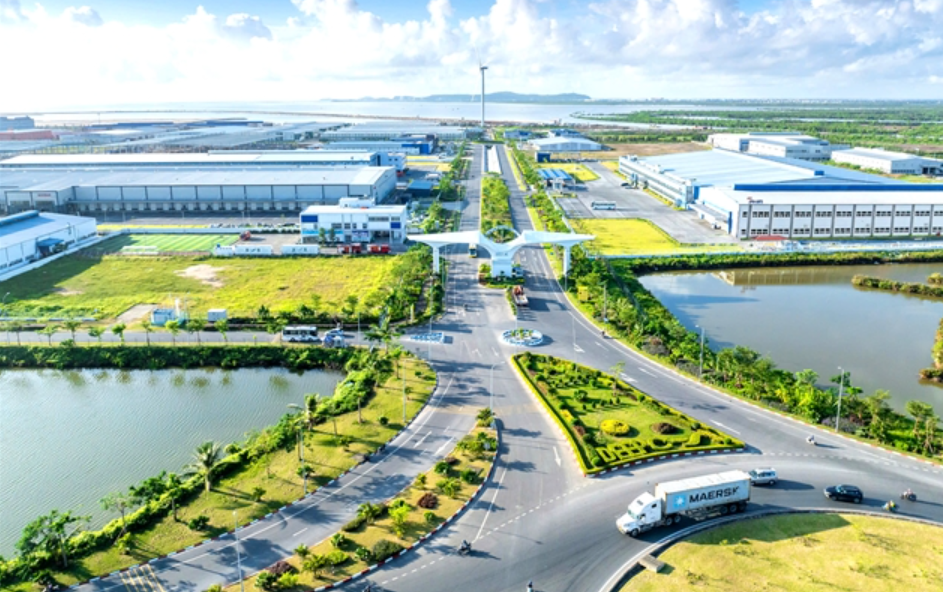
In the first half of 2026, the Vietnamese government consolidated the implementation of stringent carbon traceability and energy efficiency standards to safeguard its exports’ access to European Union and North American markets. The tightening of national guidelines directly responds to the full enforcement of the Carbon Border Adjustment Mechanism (CBAM) and similar requirements from global investors operating in Southeast Asia. The transition to a low-carbon economy redefines the competitiveness of the “world’s factory” and establishes a new paradigm for trading partners, including Brazil.
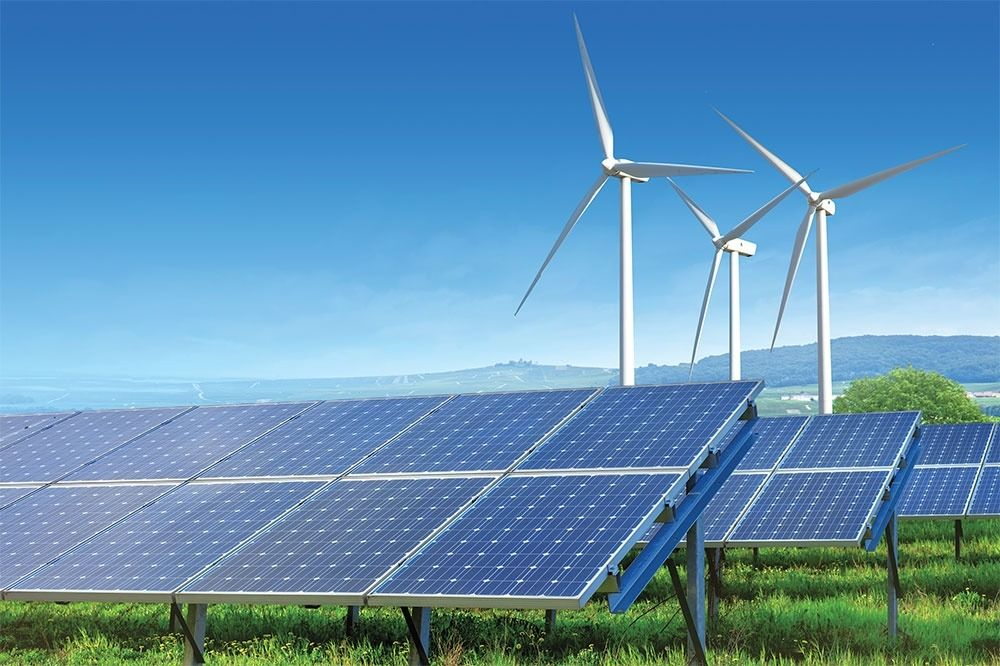
Vietnam’s Ministry of Natural Resources and Environment (MONRE) has accelerated the operation of the domestic carbon credit market, piloted in 2025, to integrate the steel, cement, and energy industries. Recent data from the *Vietnam Investment Review* indicate that the country projects a 15.8% reduction in greenhouse gas (GHG) emissions by the end of this year, using its own resources, with a goal of reaching 43.5% with international support. This move is underpinned by the Power Development Plan 8 (PDP8), which prioritizes the expansion of renewable energy sources and the gradual phasing out of coal-fired power plants.
For Brazilian businesses, this transformation in Southeast Asia signals a structural shift in input demand. While previously the primary export criterion to Vietnam was volume and price, in 2026, a product’s carbon footprint has become a determining factor in the composition of Vietnamese industry’s final cost. Sectors such as pulp, cotton, and iron ore, pillars of the bilateral trade agenda, now face the need for certifications proving low environmental impact practices to avoid surcharges in the local production chain.
The dynamic bears resemblance to South Korea’s technological leap in past decades, but with a contemporary differentiator: sustainability is the new driver of productivity. While other members of the Association of Southeast Asian Nations (ASEAN) are still structuring their regulatory frameworks, Vietnam is aggressively positioning itself to attract high-tech investment. Companies like Samsung and Apple, with extensive operations in the country, are encouraging their local suppliers to adopt Direct Power Purchase Agreements (DPPA), enabling factories to buy renewable energy directly from private producers.
The president of the Brazil-Vietnam Chamber of Commerce and Industry (BVC), Victor Key, notes that Brazil holds a rare strategic advantage in this accelerated decarbonization scenario. “Brazil’s energy matrix is one of the cleanest in the world, and our agribusiness has made significant progress in low-emission technologies, such as integrated crop-livestock-forestry systems,” Key stated in São Paulo. According to the executive, Brazil should view the new Vietnamese regulations not as barriers but as a competitive advantage to consolidate the country as Vietnam’s preferred “green” supplier.
Bilateral collaboration in biotechnology and renewable fuels, such as ethanol and biodiesel, emerges as an immediate growth axis in trade relations managed by the BVC. Vietnam’s automotive and logistics industries seek alternatives to mitigate emissions in cargo transport, an area where Brazilian technical expertise is a global benchmark. The export of biofuel technology can assist Hanoi in meeting decarbonization targets without sacrificing GDP growth, which maintains projections of over 6.5% annual increase.
The conclusion of this reform cycle places Vietnam in a position of regional leadership in climate compliance. For Brazilian exporters, adapting to Vietnamese emission monitoring metrics is an essential step to ensure the longevity of long-term contracts. The 2026 landscape shows that success in foreign trade no longer depends solely on logistical efficiency but on the ability to deliver products that meet the sustainability criteria demanded by the most sophisticated global shelves.
In this context, the Brazil-Vietnam Chamber of Commerce and Industry acts as the necessary technical bridge for Brazilian companies to understand the complexity of the new Southeast Asian regulations. The BVC projects that by 2027, bilateral trade could reach new historical highs, driven by an agenda that combines food security and environmental responsibility. The alignment between Brazil’s sustainable supply and Vietnam’s conscious industrial demand defines the future of economic cooperation between the two nations in the Southern Hemisphere.