
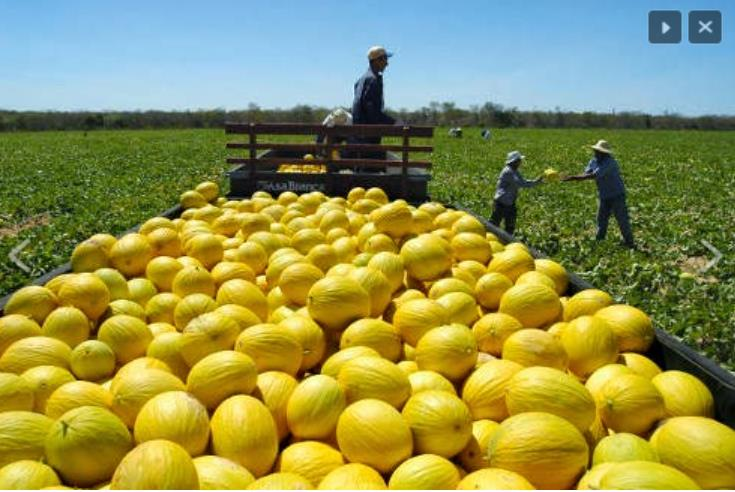
The definitive opening of Vietnam’s retail market to new varieties of Brazilian tropical fruits, solidified in the first half of 2026, marks a historic milestone in diversifying the export portfolio between the two nations. The easing of sanitary protocols by Vietnam’s Ministry of Agriculture and Rural Development (MARD) has allowed items such as table grapes, melons, and tahitian limes to gain traction on the shelves of Hanoi and Ho Chi Minh City. This strategic shift is a direct result of coordinated bilateral negotiations between Brazil’s Ministry of Agriculture, Livestock, and Supply (MAPA) and Vietnamese authorities, aimed at reducing Brazil’s reliance on traditional commodities like soybeans and corn.
The regulatory advancement occurs at a time of transformation in Southeast Asia’s consumption profile. Data from Vietnam’s General Statistics Office (GSO) indicate that the country’s middle class is projected to represent 40% of the population by 2030, driving a growing demand for high-value-added products with certified food safety. In 2025, bilateral trade between Brazil and Vietnam surpassed $7.5 billion, but the concentration on raw materials remained predominant. The entry of fresh fruits signals a transition to the “premium retail” sector, where Brazil competes not only in volume but in phytosanitary quality and sweetness (Brix level), factors highly valued by local consumers.
According to the Brazil Vietnam Chamber of Commerce and Industry (BVC), the facilitation of inspection processes and the digitalization of phytosanitary certificates have reduced customs clearance times at the ports of Haiphong and Cat Lai by approximately 15%. For BVC President Victor Key, based in São Paulo, this new landscape requires Brazilian exporters to understand the nuances of Vietnamese retail, which combines traditional markets with the rapid expansion of modern supermarket chains like WinMart and Co.op Mart. “The BVC’s mission is to ensure that Brazilian farmers do not see Vietnam solely as a buyer of grains, but as a sophisticated market that well remunerates the excellence of national fruit cultivation,” states Key.
Trend analysis suggests that Vietnam is following a market opening trajectory similar to that observed in South Korea a decade ago, prioritizing food safety and supply diversity for its urban population. While neighboring Association of Southeast Asian Nations (ASEAN) countries supply humid tropical fruits, Brazil finds its competitive advantage in semi-arid climate fruits and post-harvest technologies that ensure the necessary “shelf-life” for transoceanic transport. The implementation of more efficient shipping routes and the use of controlled atmosphere containers have been crucial in maintaining the competitiveness of the final price on Vietnamese shelves against regional competitors.
For Brazilian entrepreneurs, the practical impact of this opening extends beyond immediate sales volume; it is about establishing a logistical platform for the entire ASEAN region. By consolidating rigorous sanitary protocols with Vietnam, Brazil creates a technical precedent that facilitates entry into adjacent markets such as Cambodia and Laos. Furthermore, the opposite seasonality between hemispheres allows Brazil to supply the Vietnamese market during periods of low local production, ensuring a stable supply of fresh fruits year-round, which is particularly strategic during cultural festivities like Tết (Vietnamese New Year) when high-quality fruit consumption peaks annually.
However, consolidation in this niche demands continuous investment in traceability and packaging adapted to the Asian market. Unlike the European market, where focus often lies on environmental sustainability, the high-end Vietnamese consumer prioritizes product aesthetics and guaranteed provenance. Reports from Vietnam Investment Review suggest that Brazilian brands investing in origin narratives—highlighting, for example, the irrigation technologies of the São Francisco Valley—experience a 20% higher conversion rate in specialized retail. Brazil is therefore moving from being merely a counter supplier to a strategic partner in Vietnam’s nutritional security.
The outlook for the end of 2026 is for fruit exports to achieve 25% growth compared to the previous year, driven by the gradual reduction of import tariffs foreseen in new Memoranda of Understanding. The connection with the Brazilian reader, especially fruit producers, lies in understanding that Vietnam is no longer a distant frontier but an immediate commercial reality. The BVC emphasizes that continued success in this market will depend on the private sector’s ability to maintain the technical standards required by MARD and its proactivity in trade missions that directly connect Brazilian farms with distributors in Hanoi. The agricultural corridor between the South Atlantic and Southeast Asia is now more diversified and resilient than ever.