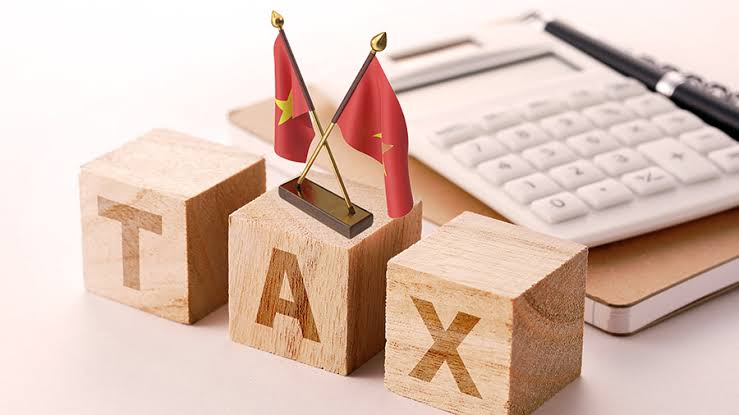



In the first half of 2026, the Vietnamese government consolidated a new package of tax incentives and subsidies to strengthen the country’s semiconductor infrastructure, aiming to attract investments from global giants such as NVIDIA, Intel, and Samsung. This initiative is part of the National Semiconductor Strategy through 2030, which projects transforming Southeast Asia into a hub for high-tech chip production and integrated circuit design. For Brazil’s extractive sector, this move signals growing demand for critical minerals and strategic inputs essential for the manufacturing of electronic components and associated industrial infrastructure.
According to data from Vietnam’s Ministry of Planning and Investment (MPI), the country’s semiconductor sector is expected to reach over $25 billion by the end of 2026, driven by Decision No. 1018/QD-TTg. The government’s plan includes full corporate income tax exemptions for four years and a 50% reduction in rates for the subsequent nine years for high-tech companies. Furthermore, Vietnam has set a target to train 50,000 specialized engineers by 2030, creating an ecosystem that extends beyond assembly, testing, and packaging (OSAT) to encompass wafer manufacturing and advanced design.
This scenario of industrial expansion demands a robust and diversified supply chain. Although Vietnam possesses the world’s second-largest reserves of rare earth elements, the complexity of semiconductor production requires a wide array of minerals that Brazil exports on a large scale. High-purity iron ore, copper for conductive systems, nickel for data center backup batteries, and even niobium, used in precision metal alloys for laboratory equipment, are of interest to the economic zones of Danang and Ho Chi Minh City.
The trend of global supply chain decentralization, known as “China Plus One,” has positioned Vietnam as the preferred destination for precision manufacturing. By 2026, the country is already operating cutting-edge research and development centers in technology parks such as Hòa Lạc Hi-Tech Park in Hanoi. For Brazilian businesses, the practical impact is the opening of new direct export channels to technology-based industries, reducing reliance on intermediaries in other Asian markets and increasing the added value of exported minerals.
Historically, Vietnam has followed a path of accelerated industrialization reminiscent of South Korea’s economic miracle, but with deeper integration into regional blocs. As a prominent member of the Association of Southeast Asian Nations (ASEAN), Vietnam serves as a gateway to a consumer market of 680 million people. The sophistication of its chip industry raises the bar for input suppliers, benefiting Brazilian companies that already operate under international standards of sustainability and mineral traceability.
Victor Key, President of the Brazil-Vietnam Chamber of Commerce and Industry (BVC), emphasizes that the current moment represents a qualitative transition in bilateral relations. According to Key, the BVC’s 2026 mission focuses on directly connecting mining hubs in Minas Gerais and Pará with Vietnamese industrial clusters. “Brazil should not be seen solely as a supplier of agricultural commodities but as an indispensable strategic partner for the mineral security of Vietnam’s technological revolution,” states the institution’s president, reinforcing the commitment to facilitating dialogue between regulators and the private sector of both countries.
Comparatively, while other regional neighbors still face energy infrastructure bottlenecks, Vietnam has invested heavily in renewable sources to power its semiconductor plants. This creates synergy with Brazil’s decarbonization agenda in mining. National companies that can certify the low carbon footprint of their minerals find a premium market in Vietnam, willing to pay for inputs that help meet the ESG (Environmental, Social, and Governance) targets required by the parent companies of major technology firms in California and Seoul.
Future prospects indicate that the trade flow between Brazil and Vietnam, which has already been on an upward trend, is set to reach new levels of diversification. Brazil’s angle in this partnership involves its capacity to provide scale and regularity for an industry that cannot afford supply interruptions. As Vietnam scales up its production of 12nm and 7nm microchips, the demand for ultra-high-purity minerals grows proportionally, opening avenues for long-term contracts and joint venture partnerships.
For the Brazilian reader, the growth of the semiconductor industry in Southeast Asia is not a distant phenomenon but a tangible opportunity for portfolio diversification. The BVC acts as the necessary bridge for mining companies and chemical input suppliers to understand the technical and regulatory specifics of the Vietnamese market. Strengthening these economic ties ensures Brazil remains relevant in the new global digital economy, positioning itself as the material foundation for the technological advancement of one of Asia’s most dynamic partners.