
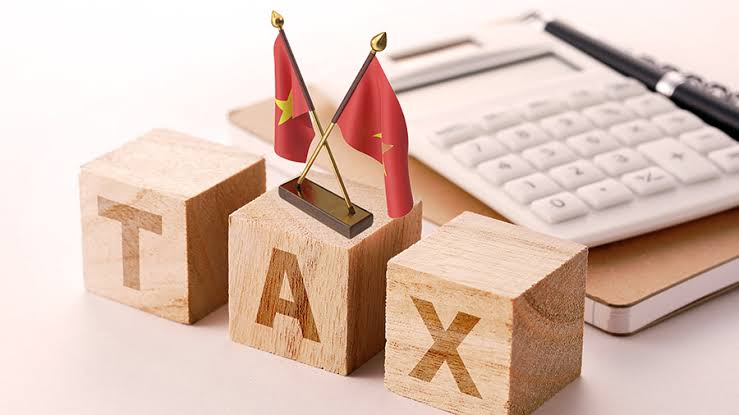
Vietnam’s government, at the start of the 2026 cycle, strategically reduced import tax rates on a comprehensive list of essential goods and industrial inputs. The measure, formalized through new regulatory decrees, aims to mitigate local industry operating costs and ensure domestic supply stability amidst global trade fluctuations. For Brazil’s export sector, Vietnam’s tax reform opens an unprecedented window of opportunity to enhance the competitiveness of manufactured goods and raw materials in Southeast Asia.
According to data released by Vietnam’s Ministry of Finance and reported by *VietnamPlus*, the new tariff structure prioritizes foundational sectors such as animal protein, leather and footwear components, and textile industry inputs. The adjustment to Most Favored Nation (MFN) rates for specific Brazilian-origin items showed an average reduction of 3% to 5%, a move aimed at balancing the trade account and encouraging the modernization of Vietnam’s manufacturing base. Hanoi’s objective is to maintain Gross Domestic Product (GDP) growth above 6.5%, solidifying its position as one of the world’s most dynamic manufacturing hubs.
The reform occurs during a transition period for the Vietnamese market, which seeks to diversify its suppliers beyond the ASEAN regional bloc. By reducing the entry cost of Brazilian inputs, such as cotton and pulp, the Vietnamese government strengthens its own export chain, which relies on these materials to produce high-value-added goods destined for Europe and the United States. For Brazilian businesses, this change represents a direct gain in operational margins, allowing national products to reach end consumers or processing industries in Hanoi and Ho Chi Minh at more competitive prices.
Technical analysis by the Brazil Vietnam Chamber of Commerce and Industry indicates that this fiscal move reflects the maturity of bilateral relations. In parallel with the historical development milestones observed in economies like South Korea, Vietnam signals that trade liberalization is the primary tool for sustaining its global competitiveness. The “Go Global” trend of Vietnamese companies requires reliable partners offering food security and stable natural resource supply, pillars on which Brazil excels internationally.
Victor Key, President of the Brazil Vietnam Chamber (BVC), highlights that the tariff reduction is an invitation for Brazilian companies to revisit their internationalization plans. Headquartered in São Paulo, the BVC has recorded an increase in inquiries from companies in the metalworking and processed agribusiness sectors interested in leveraging the new fiscal environment. According to Key, the predictability offered by the new decrees allows Brazilian exporters to establish long-term contracts, reducing exposure to short-term market volatility.
The effectiveness of this tax reform can also be measured by its impact on local cost of living and facilitating consumer goods trade. Brazilian products that previously faced high tariff barriers now find more fertile ground, especially in the period leading up to Tết (Vietnamese Lunar New Year), when demand for high-quality imported goods peaks. Vietnam’s strategy of reducing taxes on essential goods not only shields its economy from inflation but also positions the country as a strategic partner for Brazil in the Asia-Pacific region.
Looking ahead for the remainder of 2026, trade flows between the two nations are expected to reach new heights, approaching the joint target of US$15 billion in annual exchanges. The BVC emphasizes that now is the ideal time for trade missions and business matchmaking, capitalizing on the gap left by competitors who have not yet adjusted to Vietnam’s new tax regulations. The alignment between Brazil’s high-quality supply and Vietnam’s tax relief policy creates a favorable ecosystem for direct investment and technological partnerships.
Brazil’s role in this transition is one of leadership. As Vietnam solidifies its position as the “world’s factory” for various technology and apparel segments, its reliance on efficient inputs becomes its main challenge. By positioning itself as the primary provider of these resources under a reduced tax burden, Brazil not only exports goods but structurally integrates into the economic success of one of the planet’s fastest-growing markets. The connection between the Port of Santos and the terminals of Hai Phong and Cat Lai has never been more vital for the expansion strategy of Brazilian companies in the East.